Archives

Gottsunda Cultural Centre

A place for creation
Architecture
Culture
Client:
Location: Uppsala
Completion: 2013
Area: Approx. 10,000 sqm

In 2013, Gottsunda Cultural Centre received a much-needed update. Spaces adapted to programmes and audiences were the key.

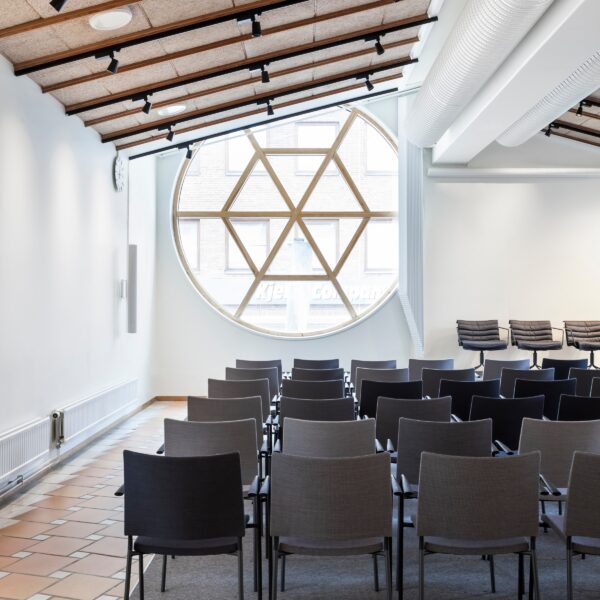
Within the building, we created new stages for dance and theatre. Dance at Gottsunda Cultural Centre now has two studios designed to meet the specific ergonomic requirements of dance as well as the theatre’s needs for stage space. The theatre has been provided with a large hall equipped with new sound and lighting technology. This along with a demountable stage that can be adapted to the performances presented.

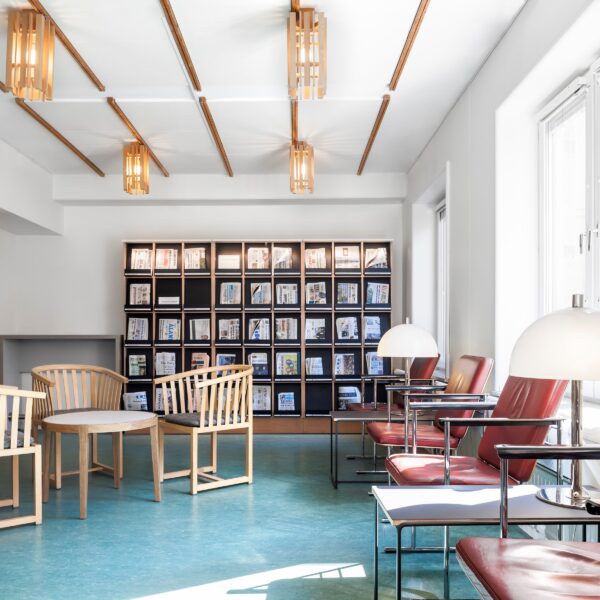
Internally, the facilities are distributed across two floors. The new library premises were developed together with Marge Interior Architect. The layout is simple: one public area near the entrance to the cultural centre, and one quieter zone further back. K-punkten also includes an open stage. It seats around 75 people and has a retractable stand.

The dance now has two studios. Each one adapted to meet the specific ergonomic requirements of dance as well as the theatre’s spatial needs for stage productions.

New entrance towards the small forecourt

Within the same building at Gottsunda Cultural Centre, there are facilities suitable for exhibitions, a café, and, for instance, “club activities”. Studiefrämjandet has been provided with entirely new premises on two floors, with an entrance directly from the inner street of the centre. Here are spaces dedicated to music, study, and creativity in various forms. We created an interior area for an open market with both permanent and temporary booths, as well as a new entrance facing the “small forecourt”.

Tengbom masters culture

Finally, feel free to explore some of our other cultural projects. Such as libraries, congress centres, museums, stages, riding arenas, concert halls, operas, hotels, and much more.

Contact person

Erik Gardell

+46 8 410 354 72

The glass roof

High-tech glass roof unites old and new
Architecture
Client: Stockholmstad
Location: Östermalm, Stockholm
Year: 2012-2021
GFA: 4 800 sqm
Collaborators: Ljusrum, COWI, Looströms, Lanik, BK Beräkningskonsult
Photographer: Åke E:son Lindman

When Östermalms Saluhall in Stockholm was inaugurated in 1888, many visitors looked up in admiration at its modern roof with cast-iron trusses. Now, as the market hall has been renovated alongside the new Hotell Villa Dagmar, eyes are once again drawn upward. This time to the glass roof covering the hotel’s inner courtyard. Here, parametric design has created a high-tech extension of the sky, while neighbouring residents have retained their views over Stockholm’s rooftops.

Villa Dagmar, Tengbom

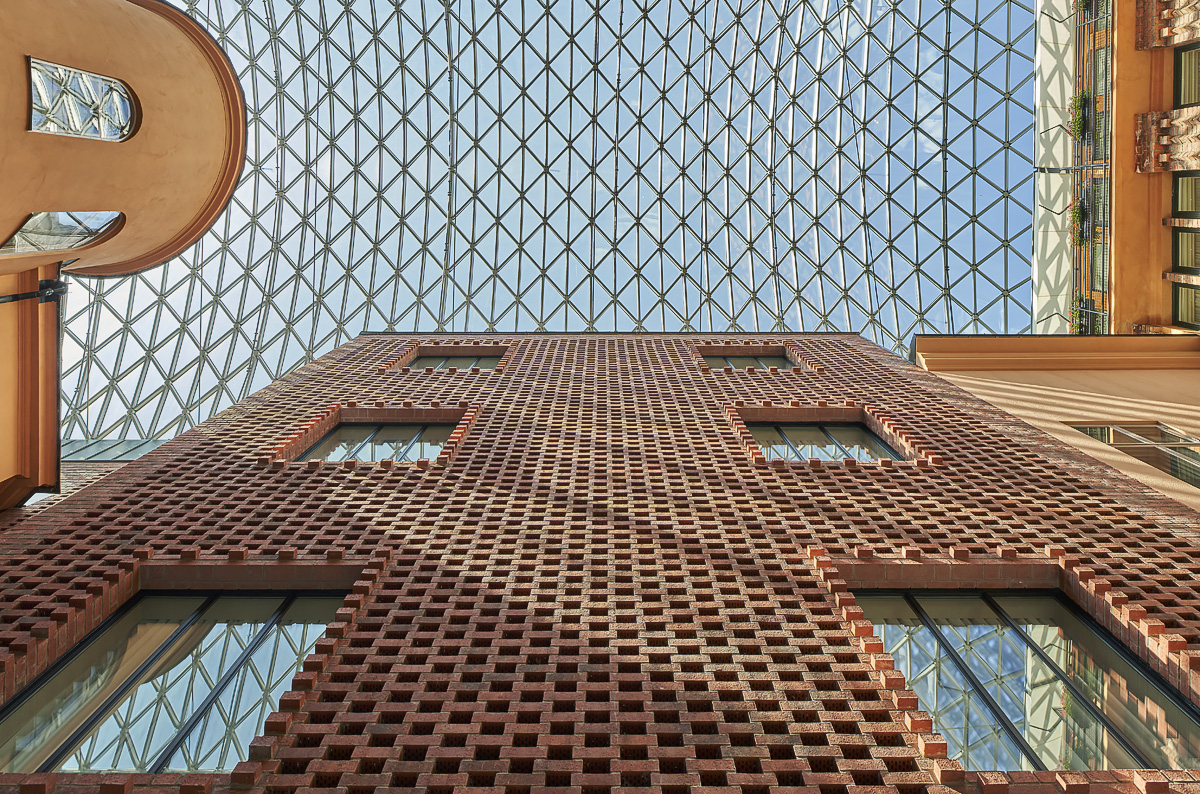
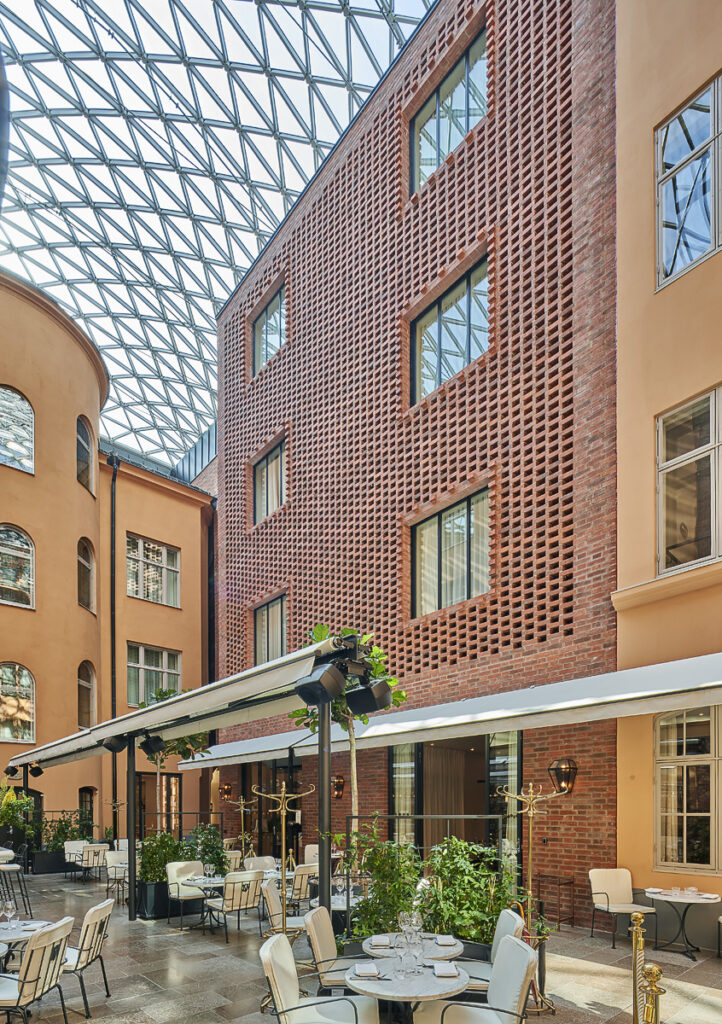
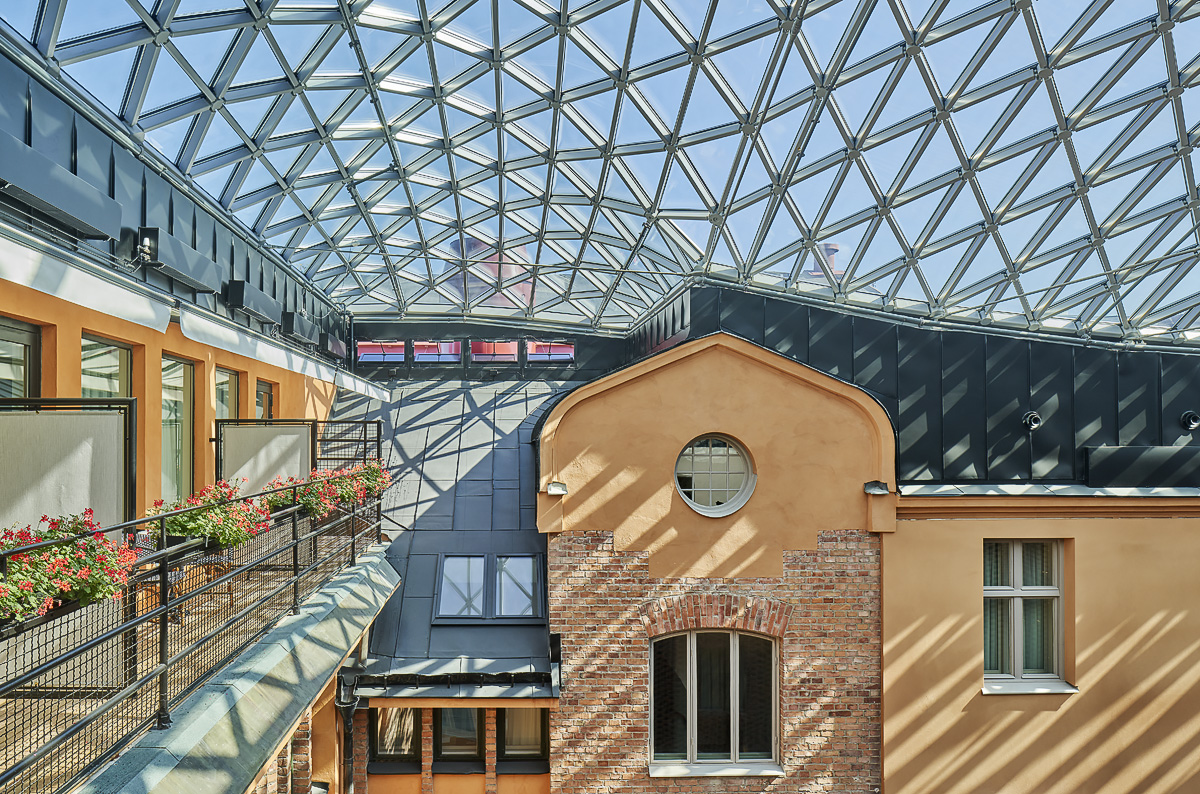
Old and new coexist harmoniously at Hotell Villa Dagmar. The hotel is connected to the newly refurbished Östermalms Saluhall through a new passageway. The glass roof of the courtyard was designed to link an old confectionery factory from 1910 with an Art Nouveau façade from 1888 and a contemporary extension in hand-laid brick.

Our task was to respect the historical character of the buildings from their respective stylistic periods, while creating a roof that preserved the outdoor atmosphere of the courtyard, home to a restaurant and bar. The goal was a meeting place to be enjoyed all year round.

Villa Dagmar, Tengbom

Indoors yet outdoors through parametric design

Architectural challenge of the glass roof

The major architectural challenge was that the eaves of the historic block varied in height. The simplest solution in this situation would have been to build up to the highest shared point and place the roof there. However, that would have made the structure too tall, obstructing the views of nearby residents and leading to dissatisfaction. And, likely a lengthy appeal process. A costly risk for the client.

Parametric design resolved the structure

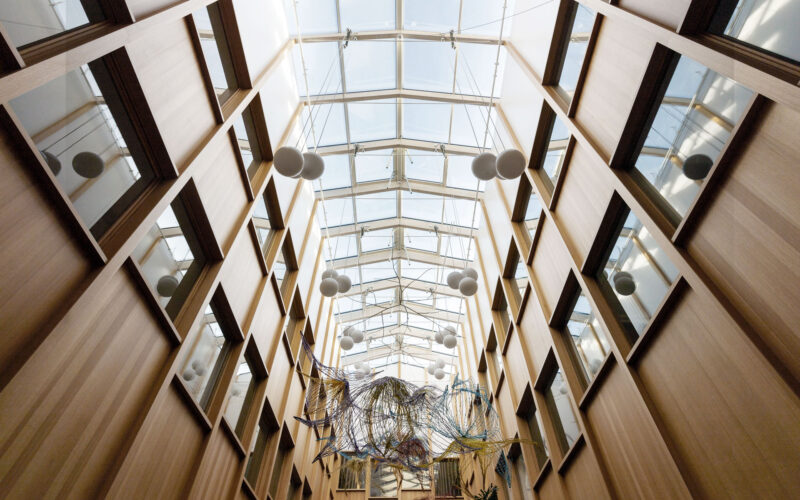
The solution was a glass roof constructed using digital parametric and generative design. What do we mean by that? It is a process in which the computer searches for the optimal form based on defined parameters. This approach made it possible to generate a structure entirely adaptable to the varying eave heights, resulting in a lower roofline. In this way, residents could keep their view. The parametric design made it possible by optimising each angle individually and reducing each unique glass section. The vision of a gently undulating form with two peaks thus moved from concept to reality.

Villa Dagmar, Tengbom

Contact person

Mark Humphreys

+46 8 412 53 43

Brännkärrsskolan

Flexible and nature-oriented school
Architecture
Education
Client: Kommunfastigheter
Location: Alsike, Knivsta
Completed: 2013
Project Type: New construction, grades F–5
Area: Ca 4 500 m²

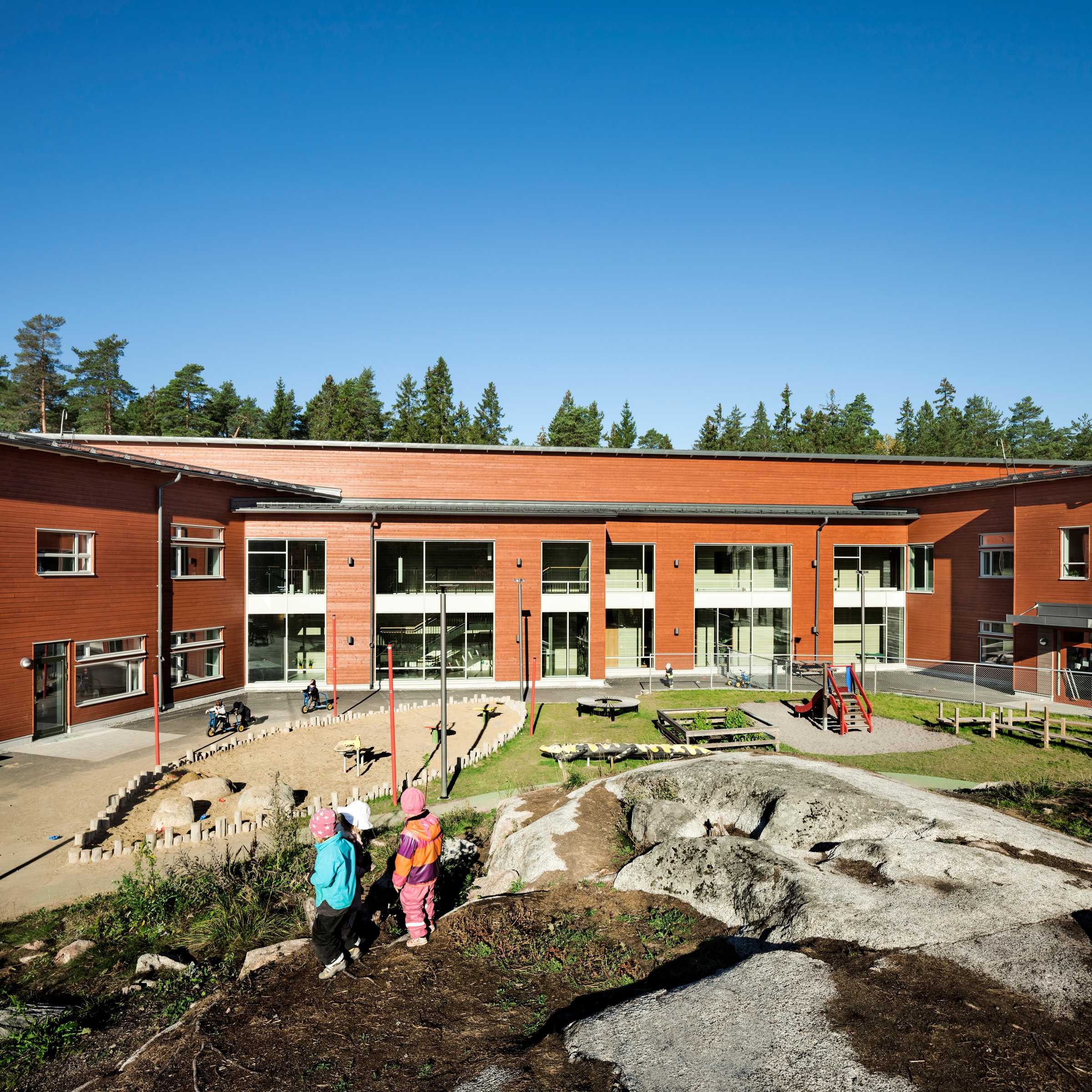
Tengbom’s commission was to create a spatial programme for a school accommodating just over 300 pupils, with the principal requirement that the building should easily adapt to future needs. At the same time, a study was conducted regarding the potential development of an untouched forest area in Alsike. The client’s wish was for a school with strong architecture and warmth, harmoniously integrated into this specific natural setting. The result is Brännkärrsskolan.

The main building of Brännkärrsskolan features a brick façade, while the adjoining volumes are clad in horizontal timber panels. Internally, we placed great emphasis on selecting durable materials and achieving a high level of architectural expression to help create a creative and stimulating learning environment. The carefully designed visual connections make the building easy to navigate and enhance contact with the surrounding landscape.

Play meets convention at Brännkärrsskolan

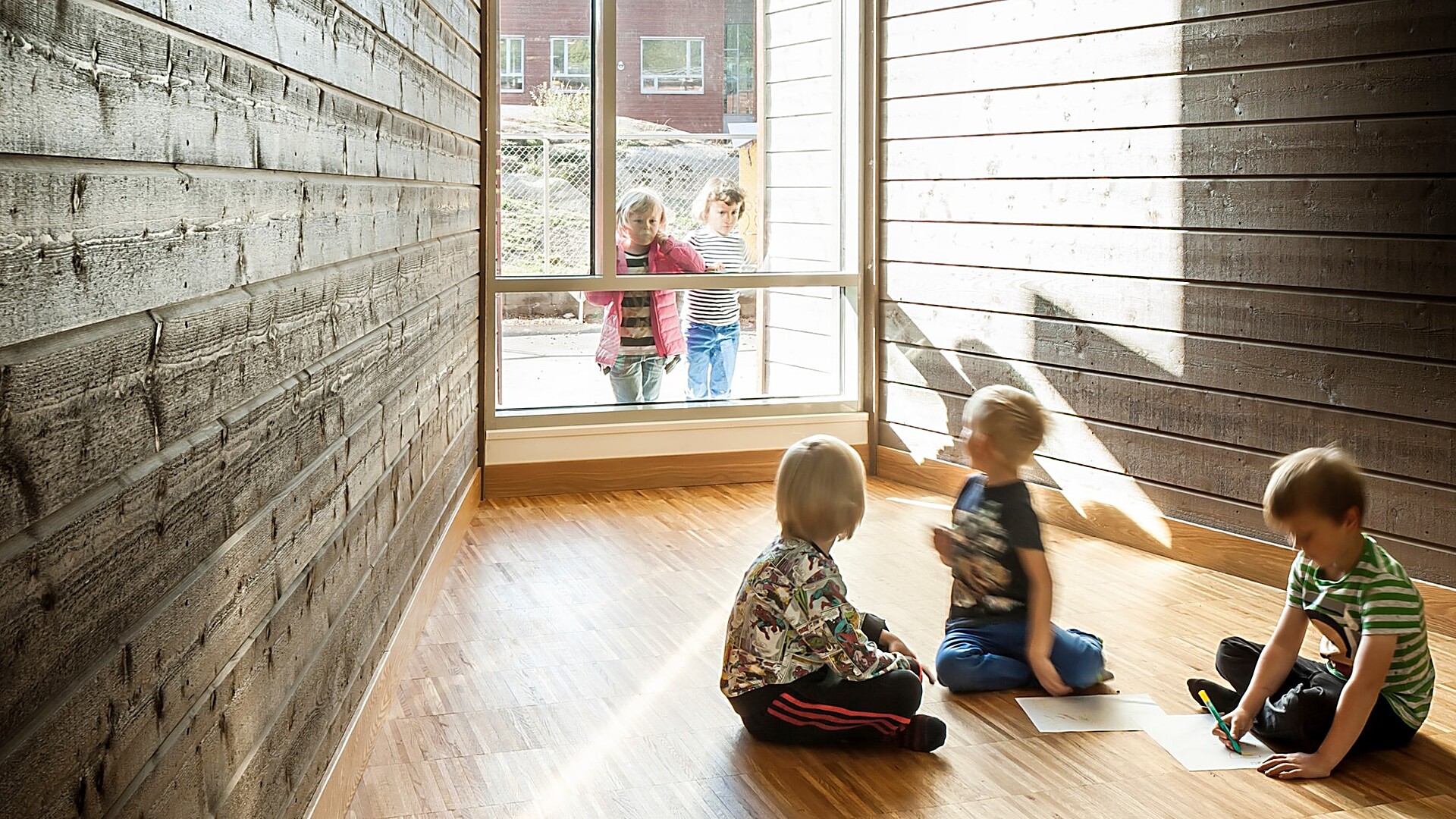
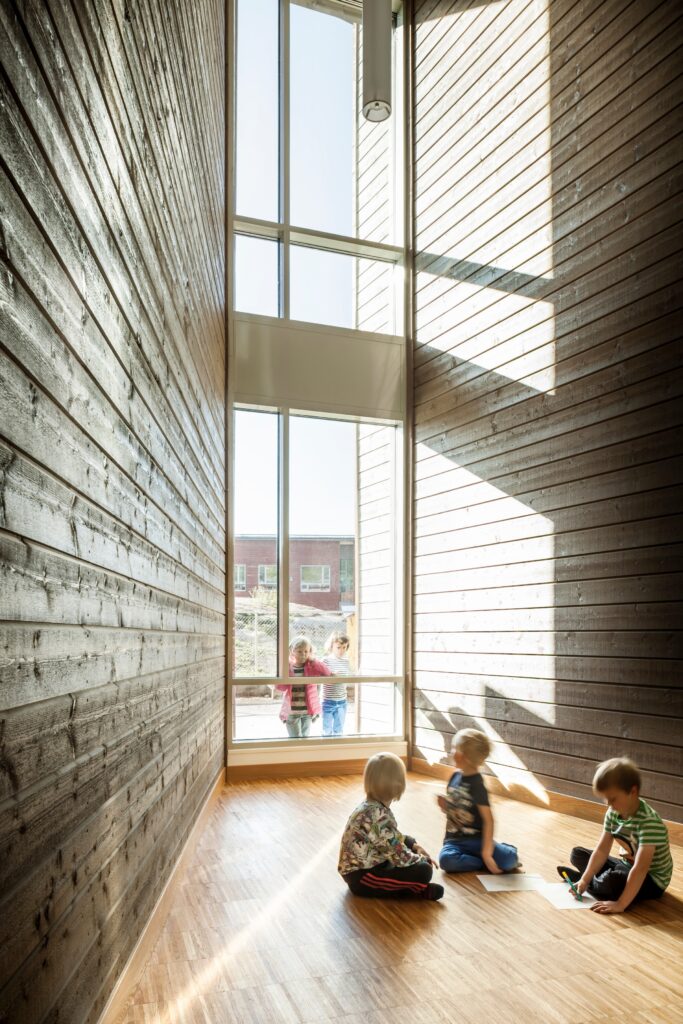
Natural light flows through the building and adds energy to the spaces. In selected areas, we introduced loose furnishings to bring in a playful character. Meanwhile, the classrooms follow a more traditional interior layout. Acoustics play a vital role in any school, so we worked closely with specialists to integrate sound quality into the architecture. Specially designed panels are one example.

The flow of natural light adds a sense of dynamism to the spaces.

Our team has been involved in the project from the initial programming and detailed planning phases through to completion. Tengbom also took part during the construction phase, working in close collaboration with the client and contractor.

At the same time, Tengbom has designed and built a wide range of schools across Sweden. Feel free to explore our portfolio, where you will find a selection of our projects.

Contact person

Lina Swanberg

+46 8 412 53 36

NEO & Technology for Health

A foundation for innovation
Architecture
Education, Health, Life Science
Client: Hemsö
Project duration: 2013–2017
Developer: TKV AB (SveaNor and Hemsö)
Area: TFH – 22,000 sqm, Neo – 26,000 sqm

NEO and Technology for Health are part of the Stockholm region’s ongoing Life Science initiative. These two new buildings at Karolinska Huddinge in Flemingsberg are designed as an education and research center, with a transparent environment that fosters creativity and synergy. Through our commission to design the entire center, we are actively contributing to a fertile ground for future innovation.

Life Science is a complex concept, and an exciting field of the future. It encompasses disciplines such as medicine, biology, chemistry, technology, informatics, and materials science. It is also a collective term for the sector that includes private and public healthcare, pharmaceuticals, patient and medical organizations, education, research, and much more.

Stockholm’s commitment to Life Science

The Stockholm region is actively investing in Life Science. The focus lies in building meeting places where institutions can collaborate and exchange knowledge. One example is the Life Science cluster near New Karolinska Solna in Hagastaden. Another is the new education and research centre taking shape next to Karolinska University Hospital in Huddinge. We play an active role in both projects — and together, they signal a strong commitment to innovation in healthcare and science.

Photo: Felix Gerlach

A gathering place that fosters knowledge and innovation

Transparency creates synergy

The new education and research center at Karolinska Huddinge will be housed in two entirely new buildings – NEO and Technology for Health. Both are owned by SveaNor and Hemsö through their joint company TKV Fastighets AB. Our vision for the center is based on their ambition to create synergy between education, research, and the business sector. We are designing an open and transparent environment that promotes spontaneous encounters between various activities, with close proximity to workplaces, learning environments, the hospital, and Södertörn University nearby.

Technology and Health

Two buildings – one vision

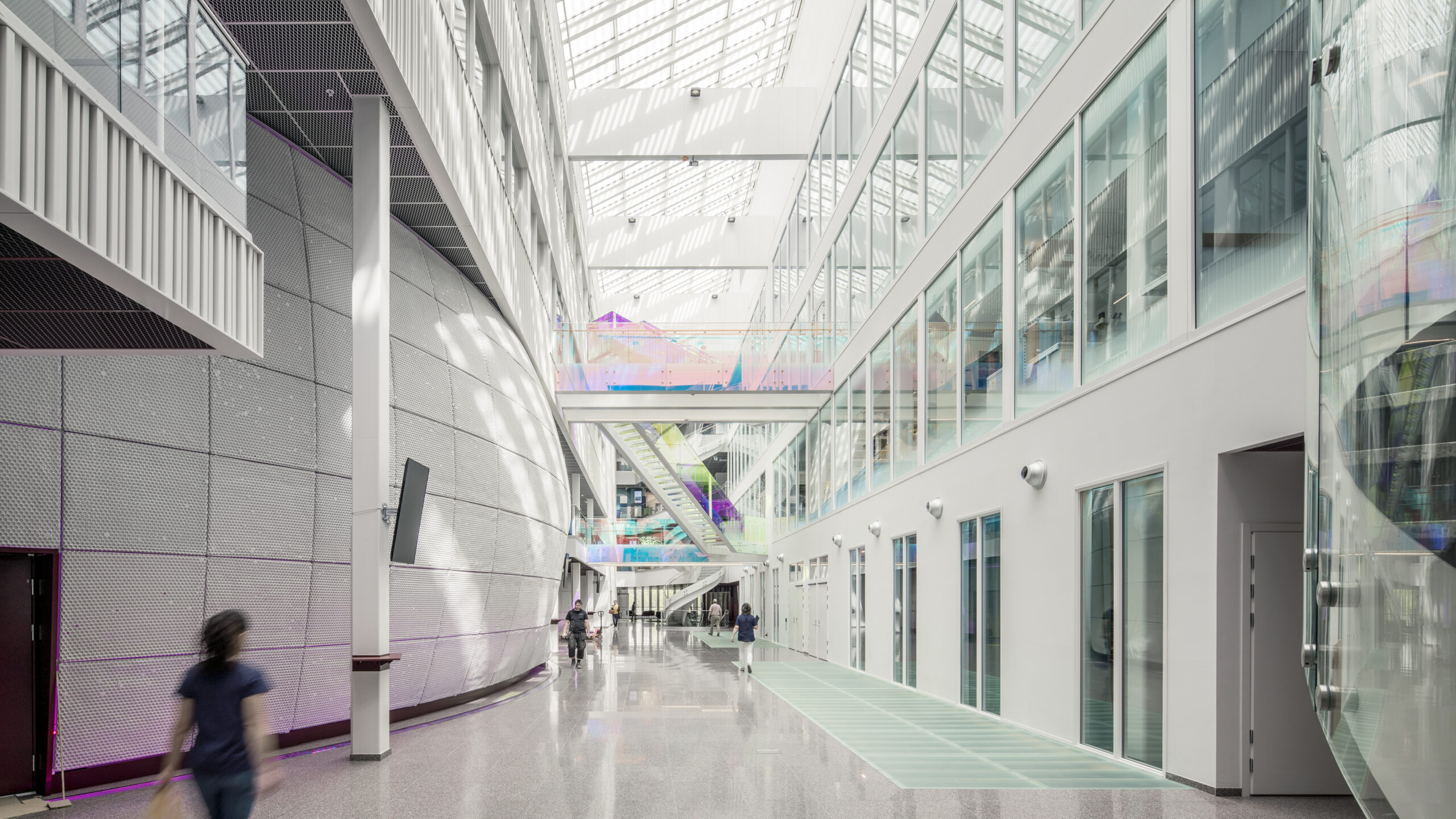
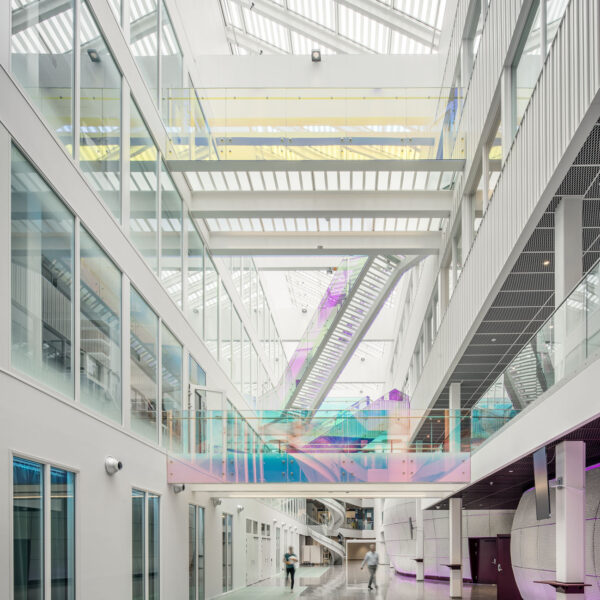
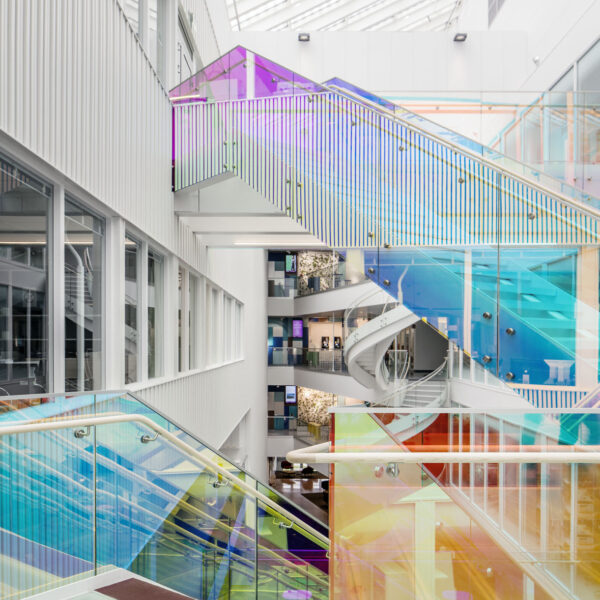
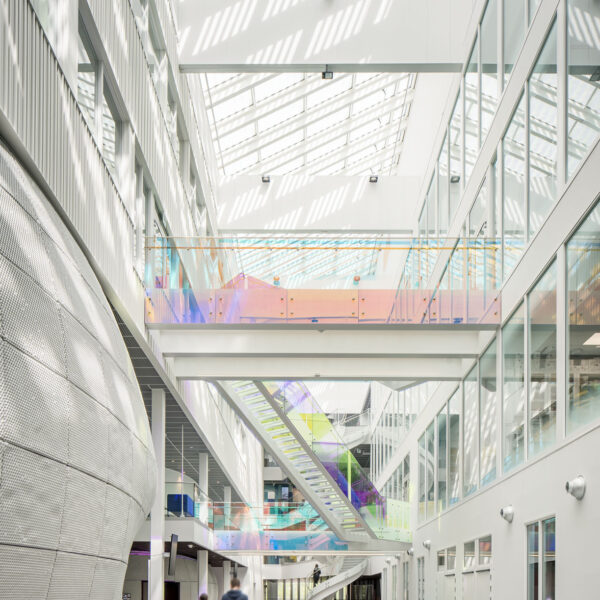
Technology for Health, the project’s first phase, opened in July 2016. This new building, directly connected to the hospital, is specifically tailored to the needs of its new tenants, KTH School of Technology and Health, and the Red Cross University College. Interior spaces open toward a brightly lit atrium featuring angled staircases and balconies designed to encourage informal meetings.

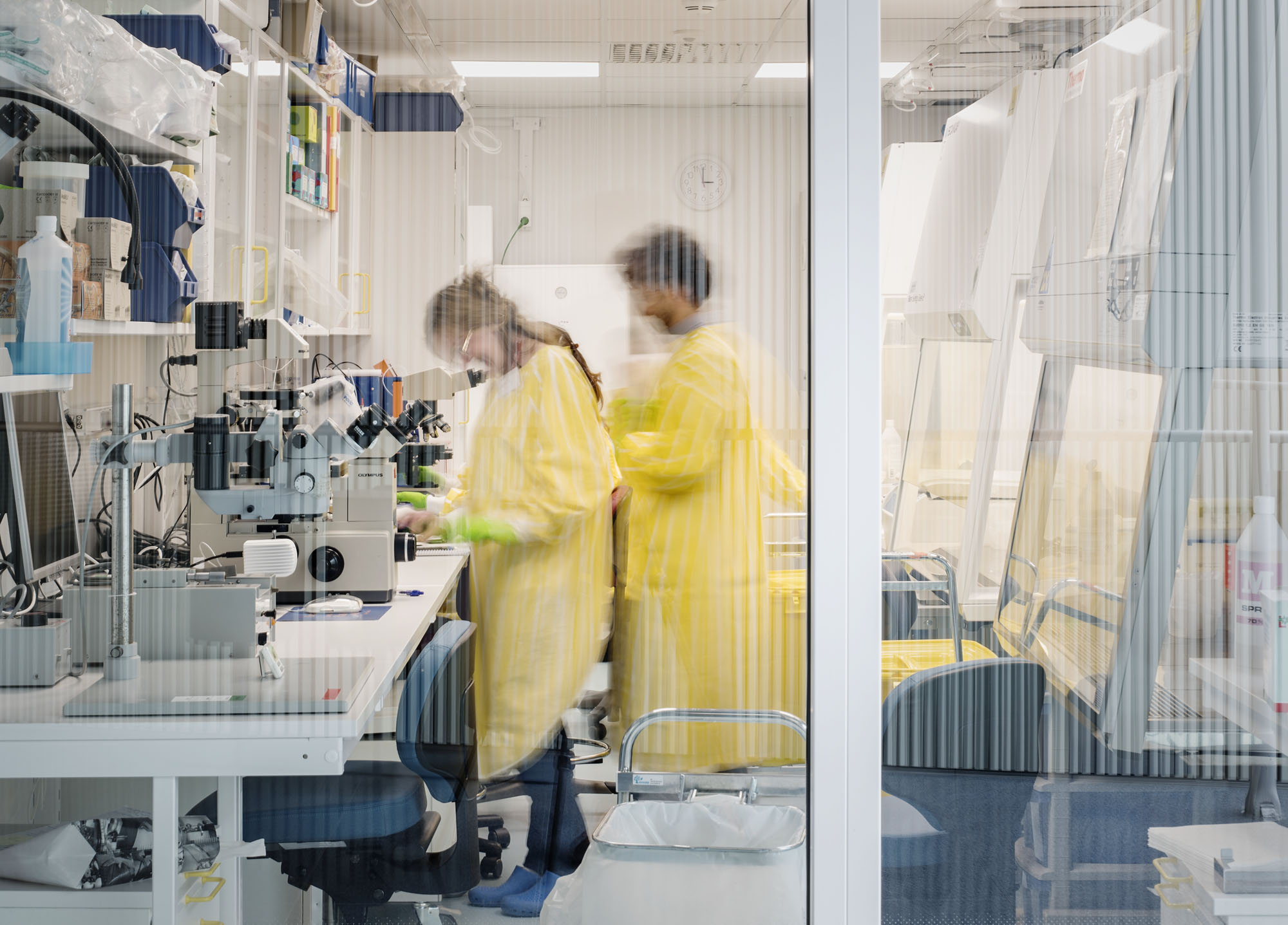
The project’s second phase, NEO, will be home to Karolinska Institutet. The building is expected to be completed by the end of 2017. Here too, we have designed spaces aligned with our shared project vision. From an open, social ground floor, there is visual connection to the advanced research and laboratory environments above. Within the atrium, we have created an auditorium. A spherical form in semi-transparent concrete that shifts in color through an LED lighting system, generating a vibrant and dynamic atmosphere.

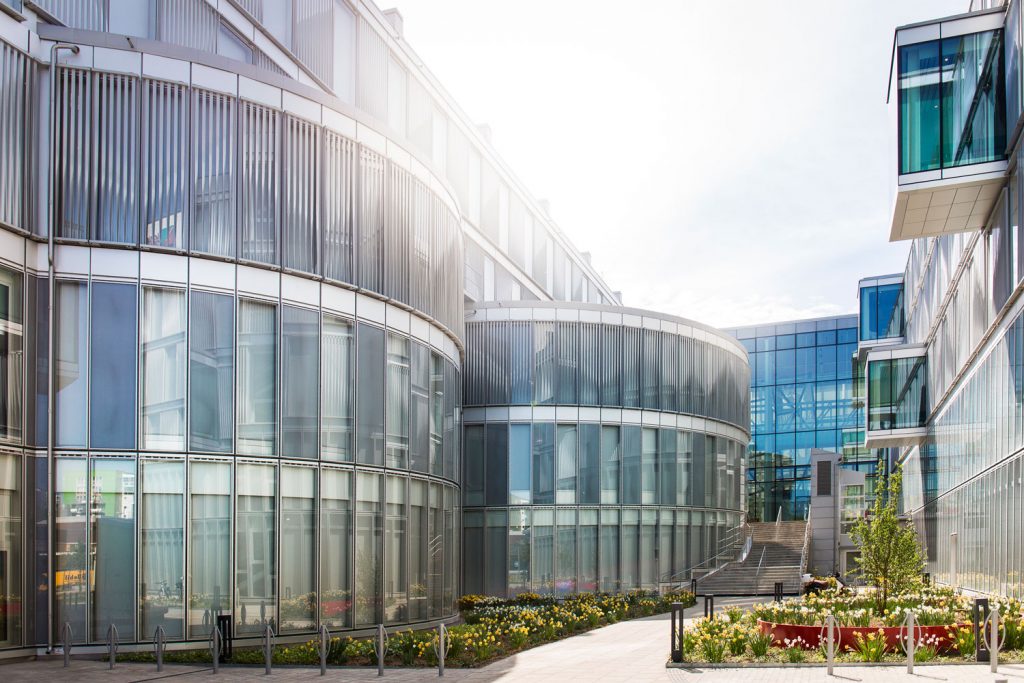
We have paid careful attention to reflect the vision of Life Science environments in the exteriors of both buildings. The façades, with floor-to-ceiling glass panels interspersed with striking metallic lattices in varied sections, signal both transparency and advanced technical precision. The commercial ground floor surrounding the buildings invites people from across the area to meet and network. A gathering place that fosters knowledge and innovation.

Contact person

Anna Morén

+46 841 03 54 47

Uppsala City Library

Accessible and in tune with the times
Architecture
Building Preservation & Restoration, Culture
Client: Läromästarens Fastighets AB
Location: Uppsala
Project duration: 2008–2016
Project: Renovation and extension
Area: Approx. 200 sqm extension and 300 sqm renovation
Photographer: Tim Meier

Situated along Uppsala’s popular pedestrian street, lined with shops, cafés, and restaurants, Uppsala City Library is a well-frequented destination. Here lies an important architectural legacy to preserve and respond to — an essential premise throughout the renovation and extension project. The library was originally designed by Carl Nyrén.

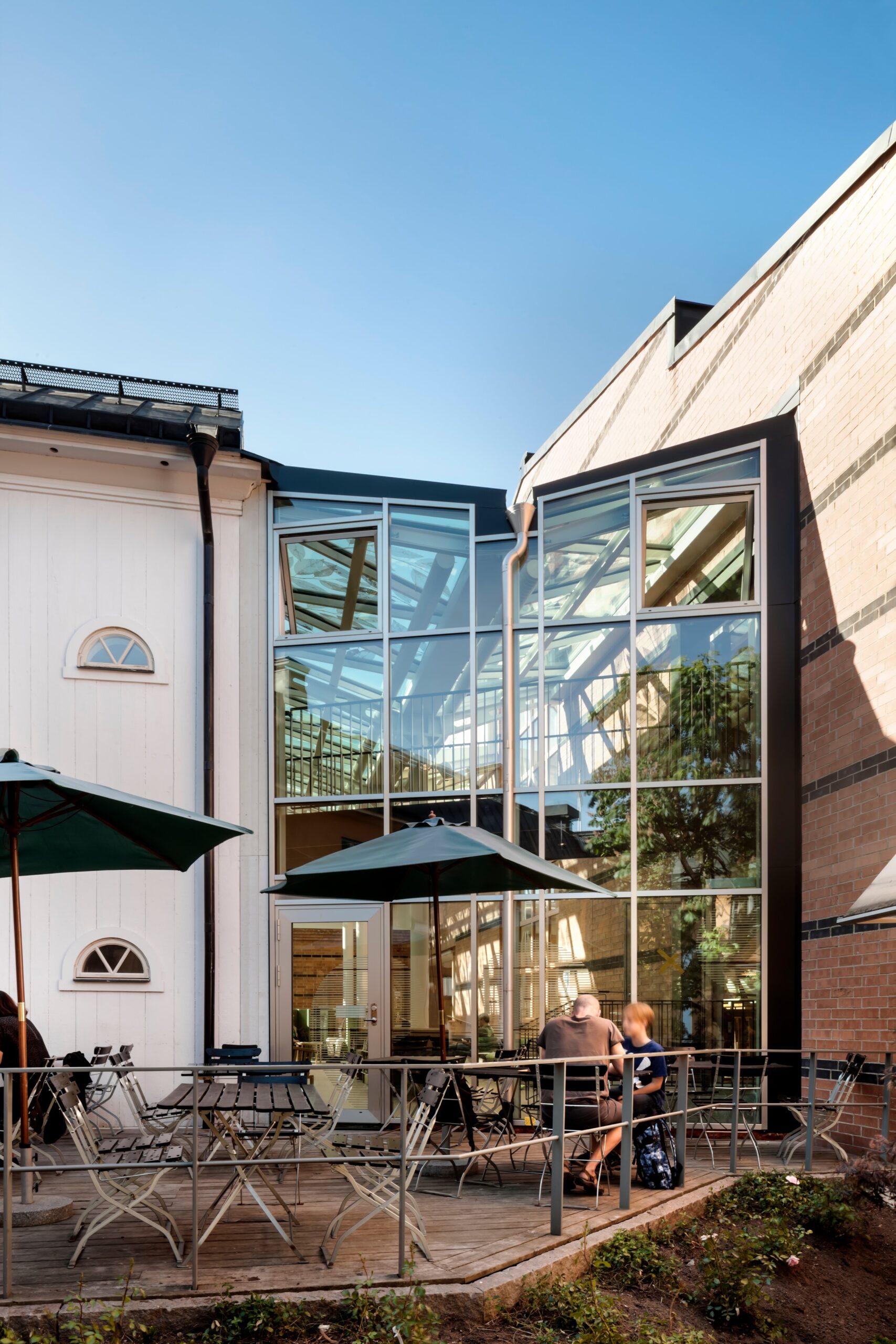
Since 2008, Tengbom, through its acquisition of Werket, has served as architect for the library’s continuous evolution. In 2009, the children’s section was renovated and a new program room was added. Meanwhile, the listed wooden structure facing the pedestrian street was refurbished to accommodate a café. The courtyard to the south was also opened up, and a new outdoor seating area was created.


New foyer and vibrant meeting place at Uppsala City Library

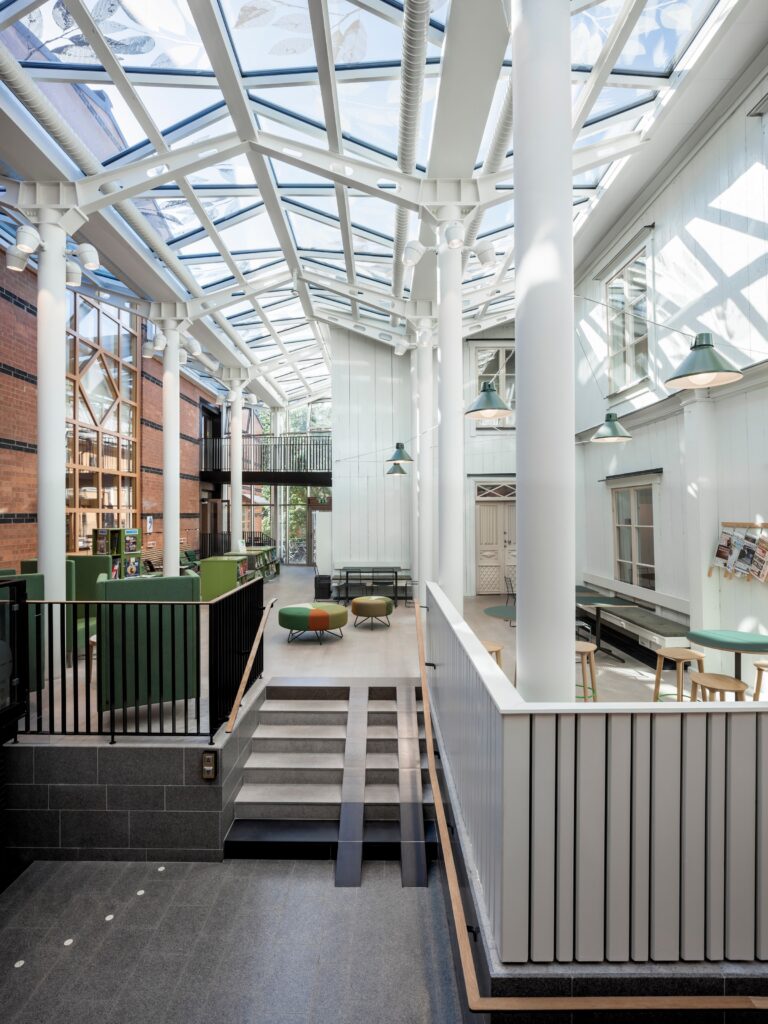
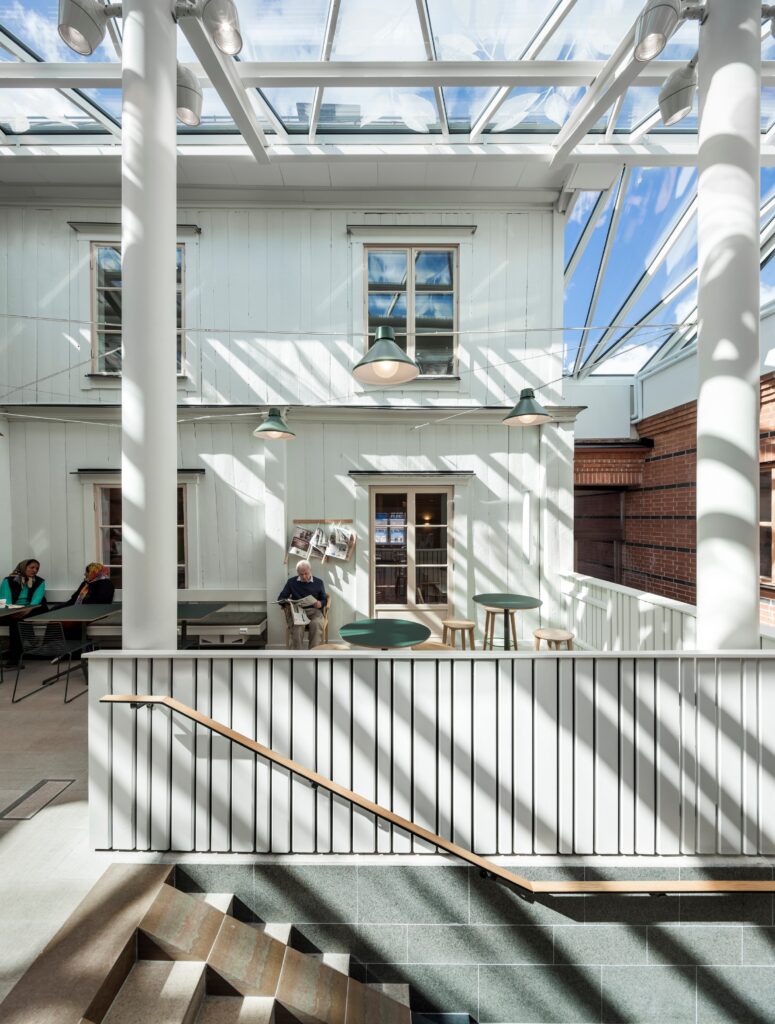
The library expressed a wish to transform the enclosed courtyard into a welcoming space. A foyer and gathering area for reading magazines, among other uses. The library staff also needed space for lectures and exhibitions. Post-renovation, parts of the library are also available for rental. The extension has enhanced the connection with the open courtyard.

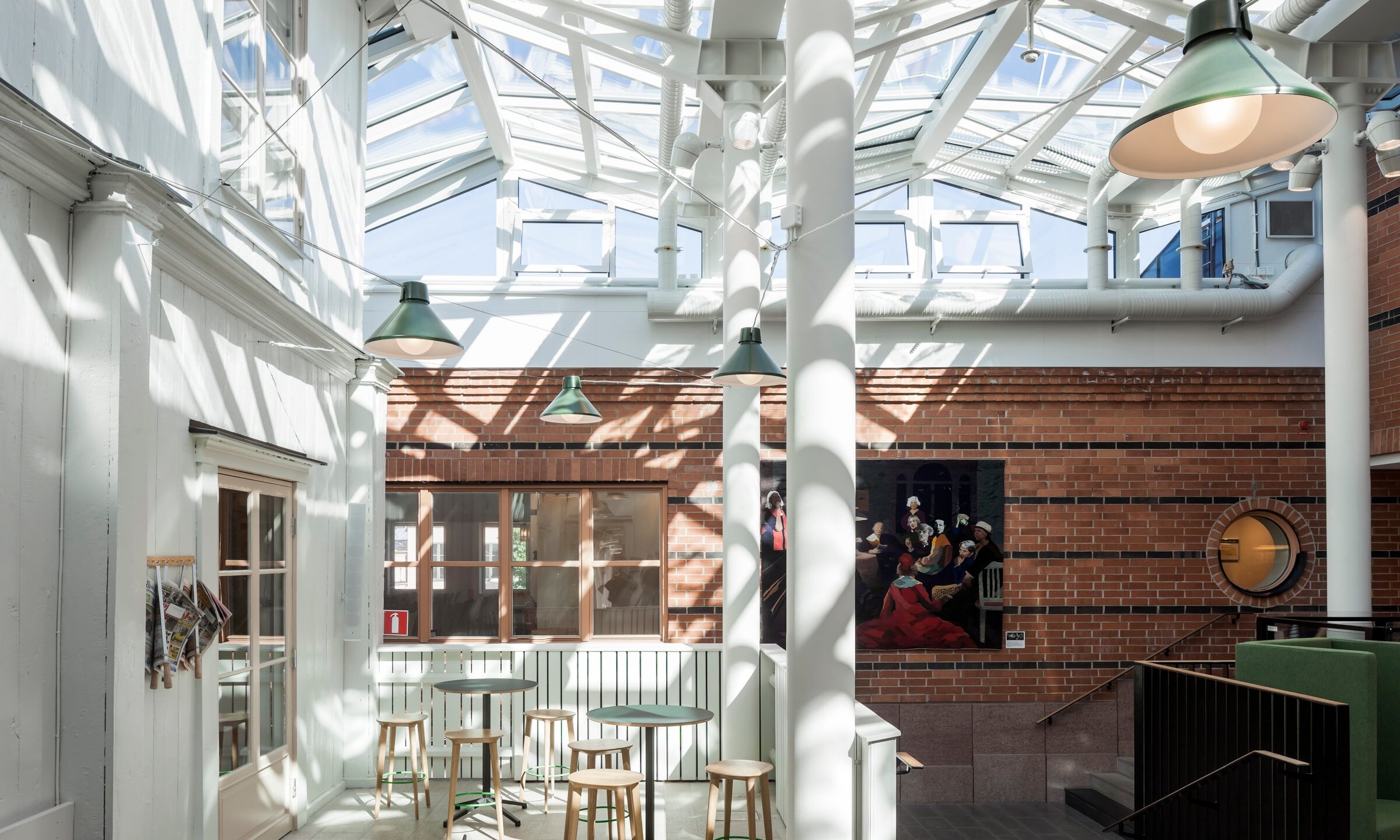
The core aim of the project was to create accessibility within the glass courtyard while respecting the character of the existing buildings. One of the buildings is listed, and the library is a landmark structure in the city (originally designed by Nyrén’s architectural office). The challenge lay in making a visible addition without encroaching upon the existing buildings. Robust natural materials were carefully selected. The glass roof features a screen-printed leaf motif, commemorating a beautiful old tree that unfortunately could not be preserved.

The assignment also included both fixed and loose furnishings. A green color palette was chosen, echoing the greenery that once filled the courtyard.

Contact person

Josefin Larsson

+46 72 183 02 34

Solna United

A flexible vision for the future
Architecture
Offices
Client: Skanska
Location: Solna
Project years: 2013–2020
Project type: New office building
Photographer: Felix Gerlach

Solna is currently one of the most rapidly expanding areas in Sweden. Exciting, of course. But it also demands architecture that places everyday human experience at the center. The team behind the Solna United office building is passionate about community, well-being, and great ideas.

Right now, Solna United is just a construction pit. But soon, an office building with fifteen stories and 50,000 square meters of space will rise. And it’s needed — this area is bustling with activity. The building is just a stone’s throw from Arenastaden and within walking distance of the Mall of Scandinavia. The name, Solna United, is a clear nod to Manchester United. That’s no coincidence, explains Fredrik Eng, one of the lead architects. This is a place where teamwork, conversation, and encounters take center stage.

“The building is designed to support togetherness, team-building, and group dynamics. Those were our starting principles. When it comes to office buildings, dramatic conceptual ideas are rare, and that’s true here as well. People need to meet, click on a computer, drink coffee — their needs are often quite basic,” he says.

A flexible reality

Most office buildings, including Solna United, are designed with flexibility in mind. Tenants should be able to divide the space into individual rooms, opt for open-plan layouts, or choose a mix depending on their needs. And since the building is expected to stand for up to 200 years, no one really knows how it will be used in the future.

All of this is, of course, constantly in the minds of the architects and the client, Skanska, during the development of Solna United. The building has a tripartite core structure. At the base is a very active, public area that will house a restaurant, café, large entrance zones, and a conference section. The idea is to encourage employees to come down to this active area to work and invite spontaneous meetings — perhaps they run into a colleague and decide to grab a coffee together before even starting the workday. Good ideas can come unexpectedly!

Above the active levels sits the “office machine,” made up of more traditional office floors — but with greater flexibility.

“In the past, when everyone wanted a room of their own, office buildings were long and narrow or shaped like loaves. But today, when we mostly work in open spaces and varied environments — at desks, but also together at whiteboards or computers — the needs look different, and this is reflected in the architecture. Proximity to daylight is not as crucial since people move around more during the workday. What matters is being close to one another, and that’s something we’ve really prioritized,” says Fredrik Eng.

“People need to meet, click on a computer, drink coffee — their needs are often quite basic. The trick is meeting those needs in a thoughtful way.”

At the very top, on the roof, there’s something slightly unusual. Here, small “pods”— container-like meeting rooms—are located for more unconventional gatherings.

Good neighbors and good processes

One ambition has been to make Solna United a distinct contrast to the developments on the other side of the tracks, Arenastaden. Fredrik Eng and his team wanted the building to have its own identity — far from the large volumes, narrow streets, and somewhat scaleless expression of the arena complex. To an average observer, it’s hard to grasp how massive it is.

“It’s a bit like a spaceship — you have no frame of reference. We wanted to create something that felt more like Solna, something more tangible and human-scaled. For example, we chose to work with clear materials like brick. Everyone knows the size of a brick. We always tailor both process and outcome to the specific needs of the project; we don’t stand out because we always use the same façade material or always design rounded corners — but because we maintain a high level of ambition and respect for both client and user,” concludes Fredrik Eng.

Contact person

Karin Hagelberg

+46 8 412 52 91

Mejeriet

A care home that invites the city in
Architecture
Health, Housing
Client: Vaggeryd Municipality
Construction period: 2017–2020
Location: Skillingaryd, Småland
Area (GFA): 6,325 sqm
Photographer: Sten Jansin

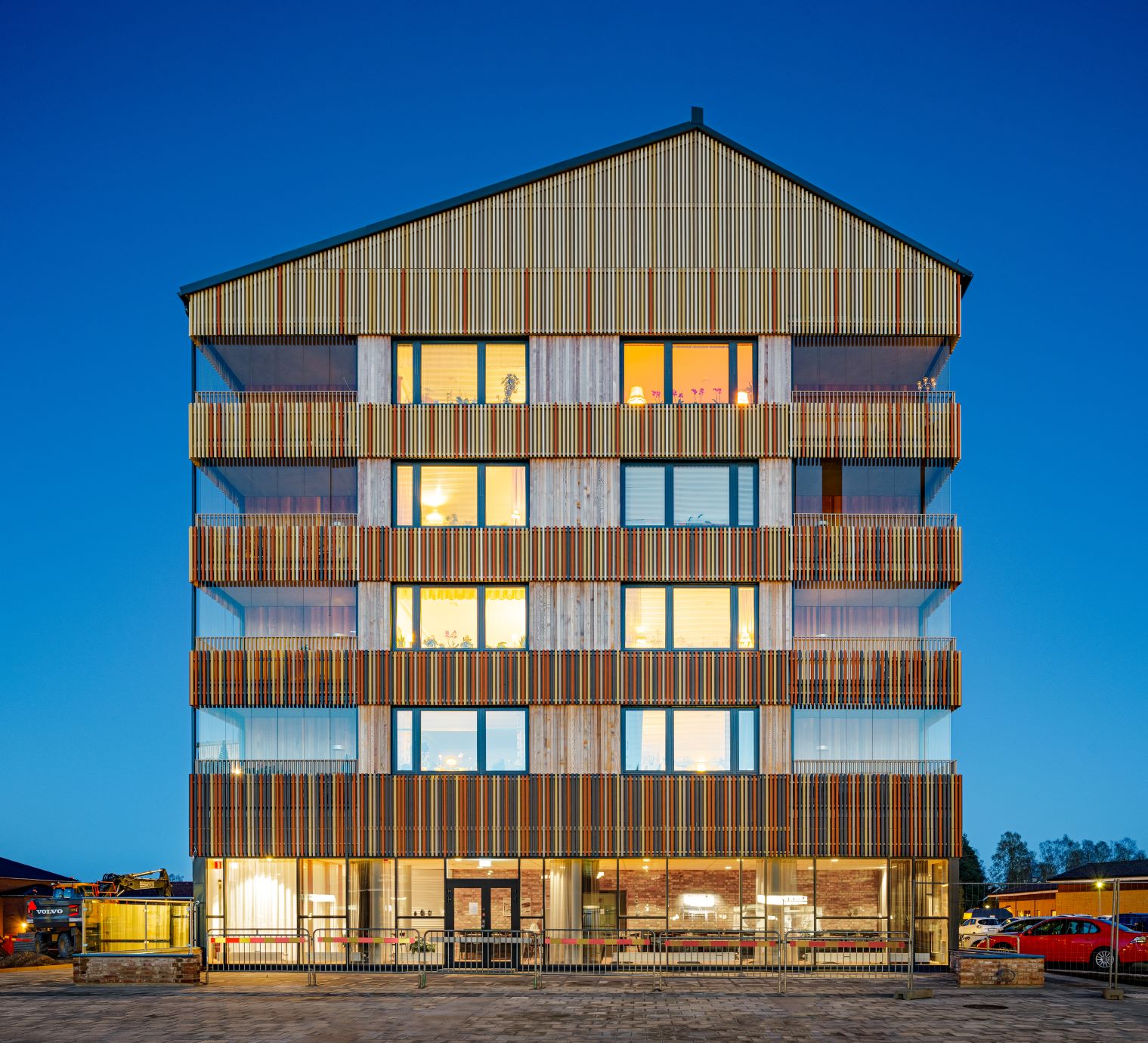
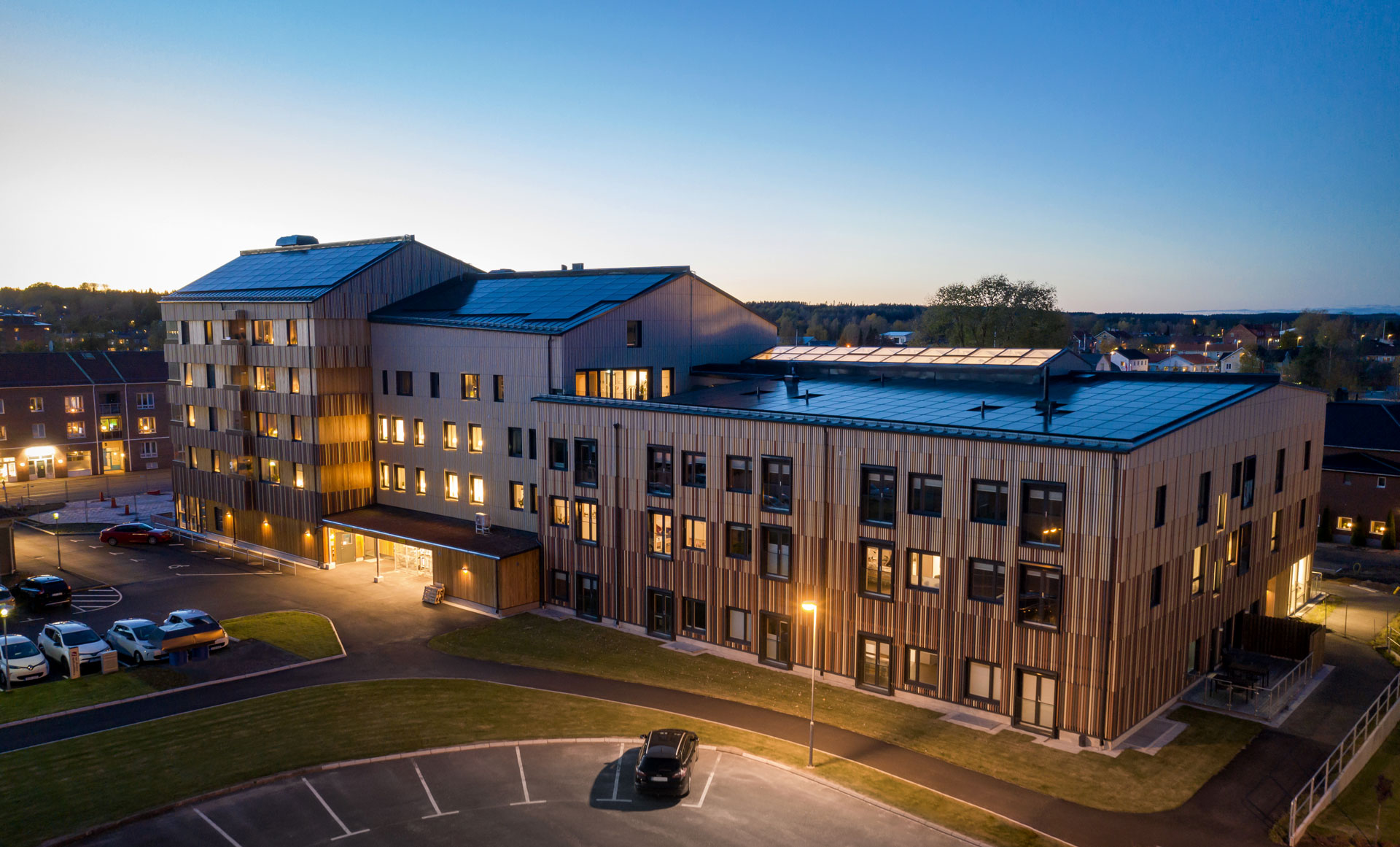
Once a dairy. Now a distinctive, state-of-the-art senior living and activity center housed in a building that makes an impression. Within a limited footprint, we elevated the quality of life for residents, staff, and the wider community.

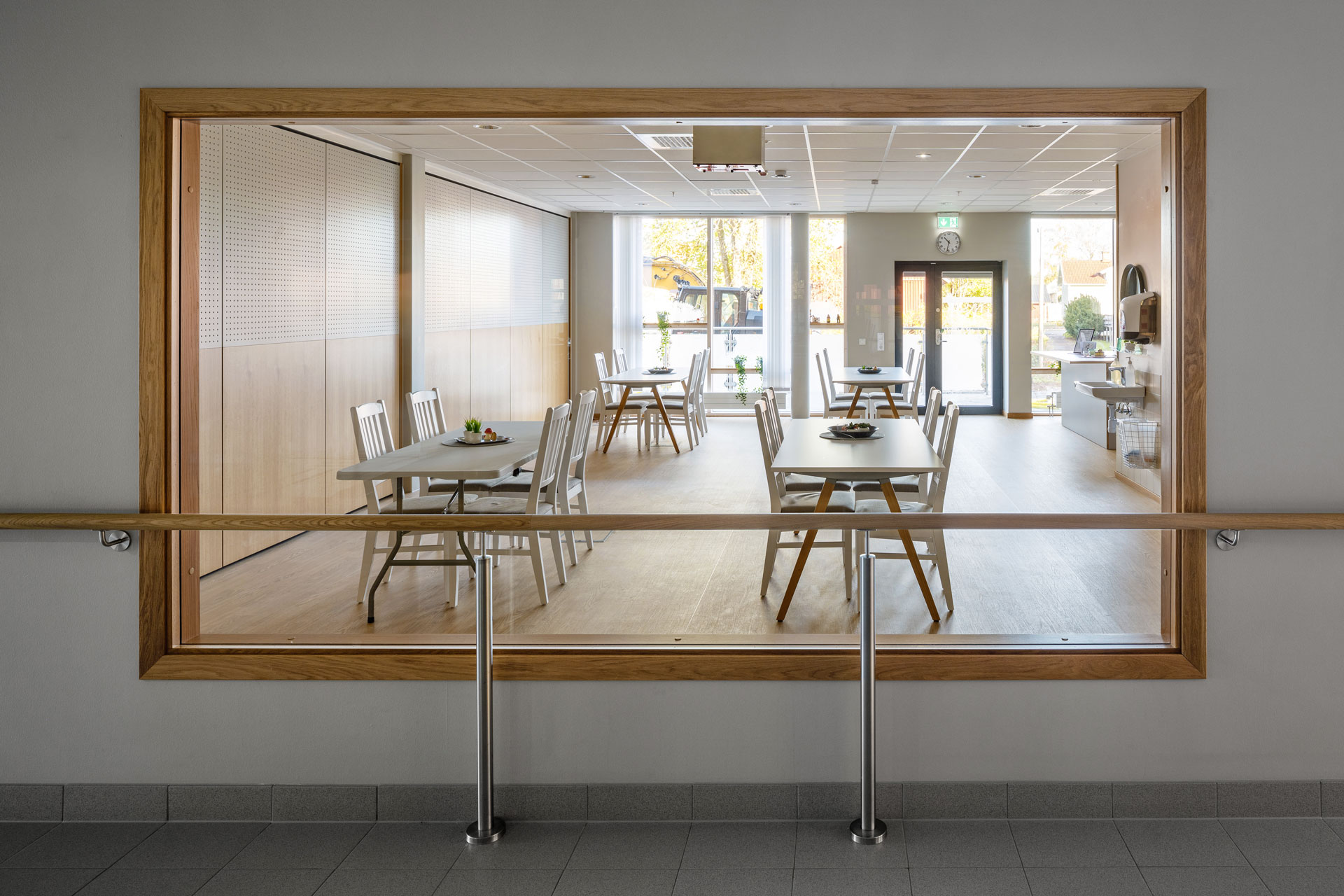
Have you ever played Tetris? Small, irregular blocks forming a harmonious whole. That was our strategy when integrating assisted living, senior apartments, restaurant, gym, spa, activity rooms, offices, and gardens under one roof — while keeping the floor plan for Mejeriet legible and clear.

A building for the people

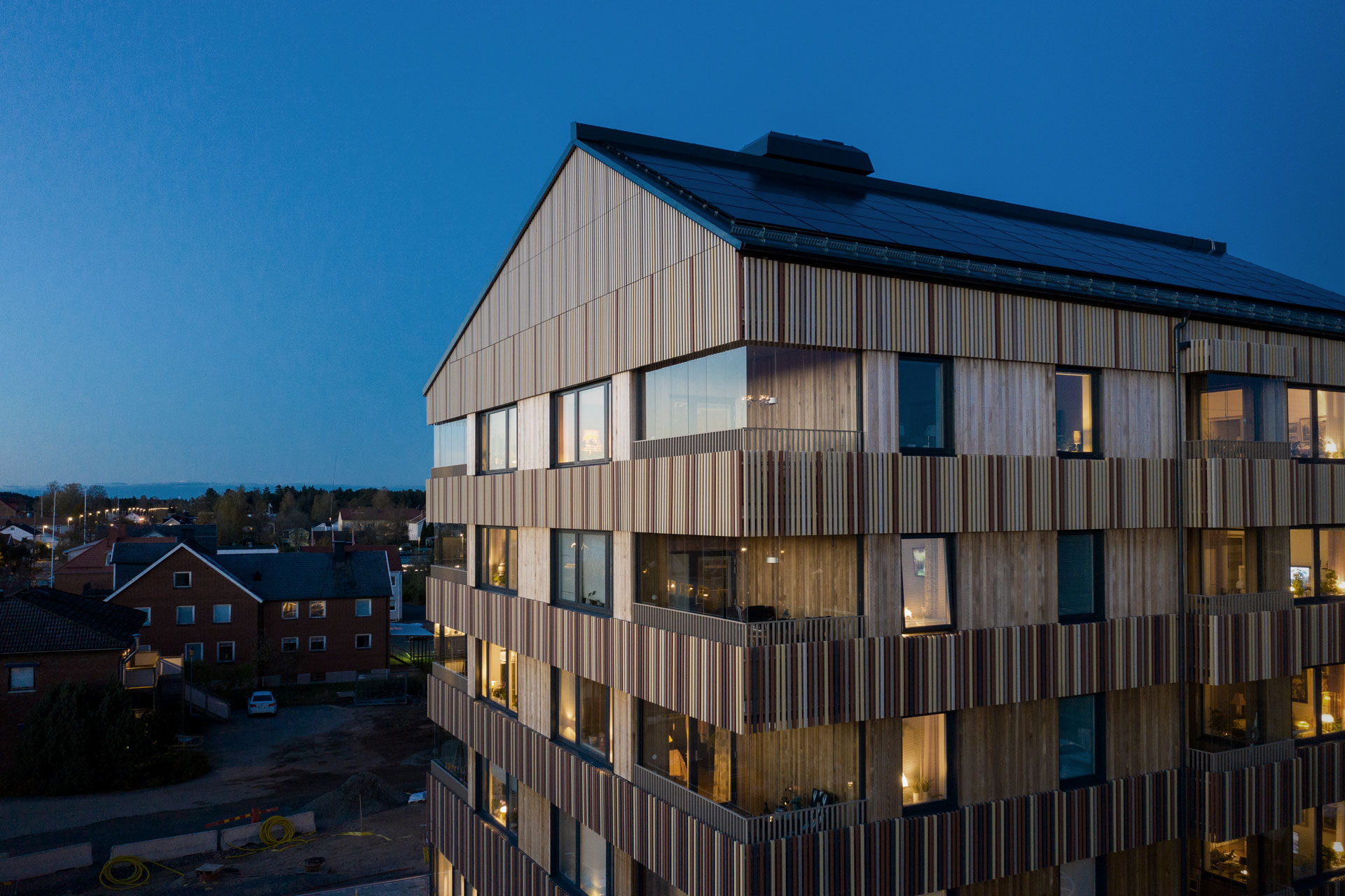
With Mejeriet, Vaggeryd Municipality undertook one of its largest investments ever, aiming to create something extraordinary that would strengthen the town’s sense of identity. The seven-storey building, hosting public facilities, services, and specialist housing, was envisioned as a true house for everyone — an integral part of Skillingaryd. At the same time, residents would feel a strong connection to life outside the building.

Breaking down large volumes

The building’s large masses were methodically divided into smaller, more legible units. The senior apartments were placed facing the main street to maintain contact with urban life, while the care home was nestled toward the natural surroundings on the opposite side. Staff facilities and offices occupy a dedicated section in the building’s center.

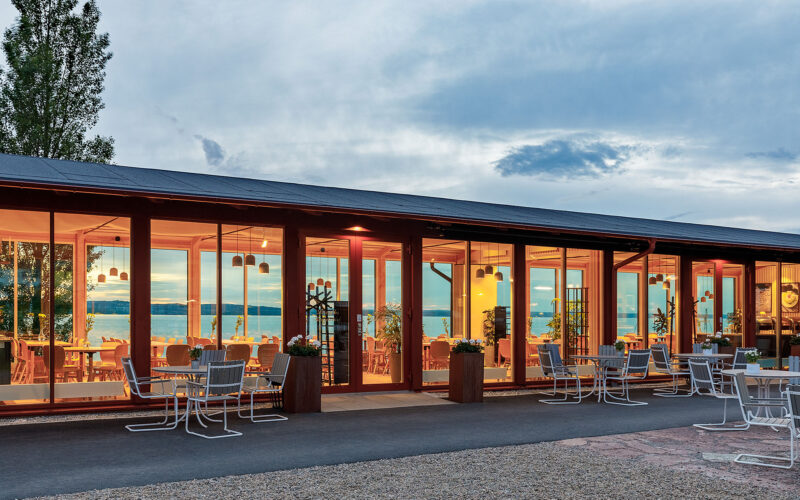
The restaurant, serving both residents and the public, opens up toward the town square. Public functions such as conference rooms, lounges, gym, and spa face the water.

Terracotta façade

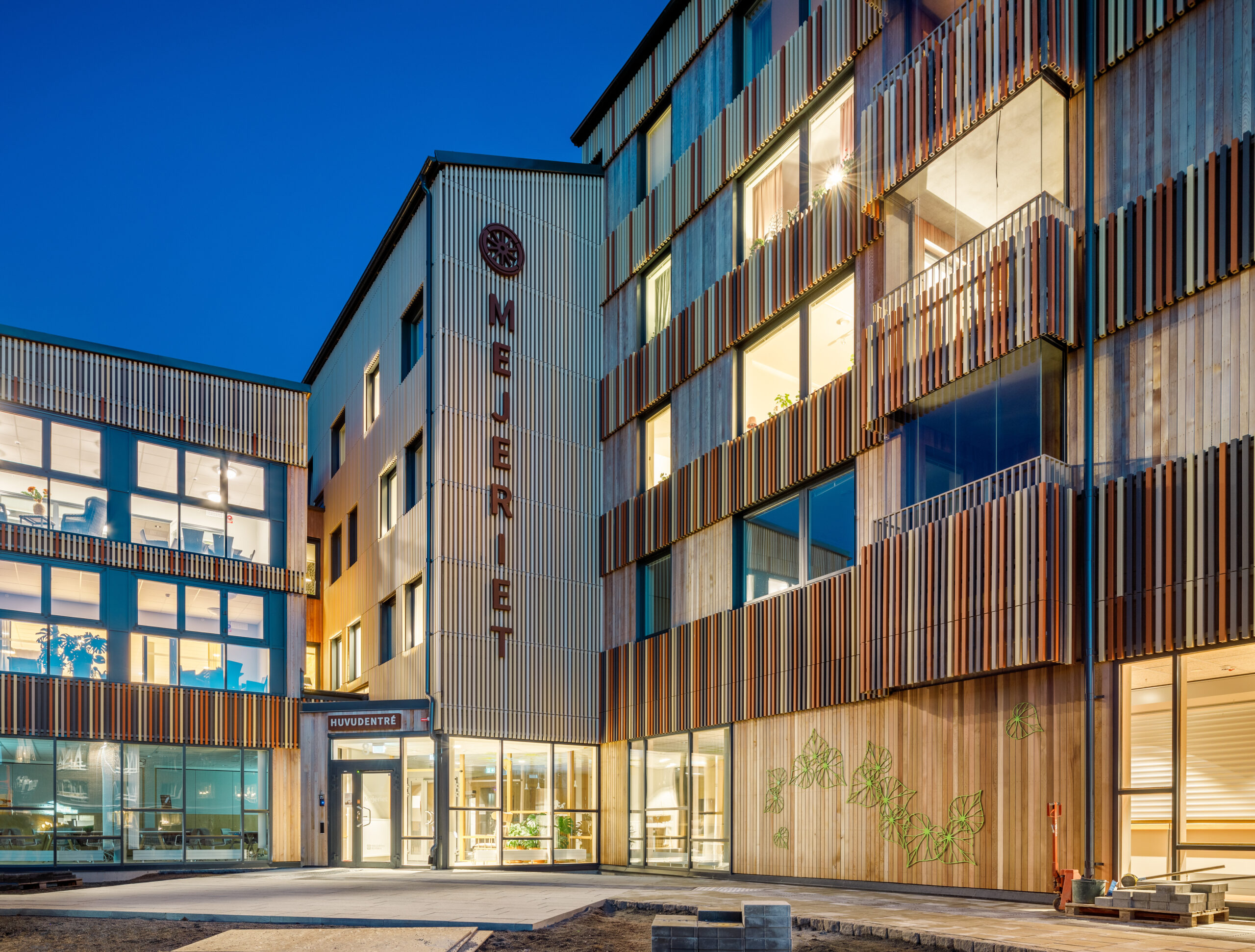
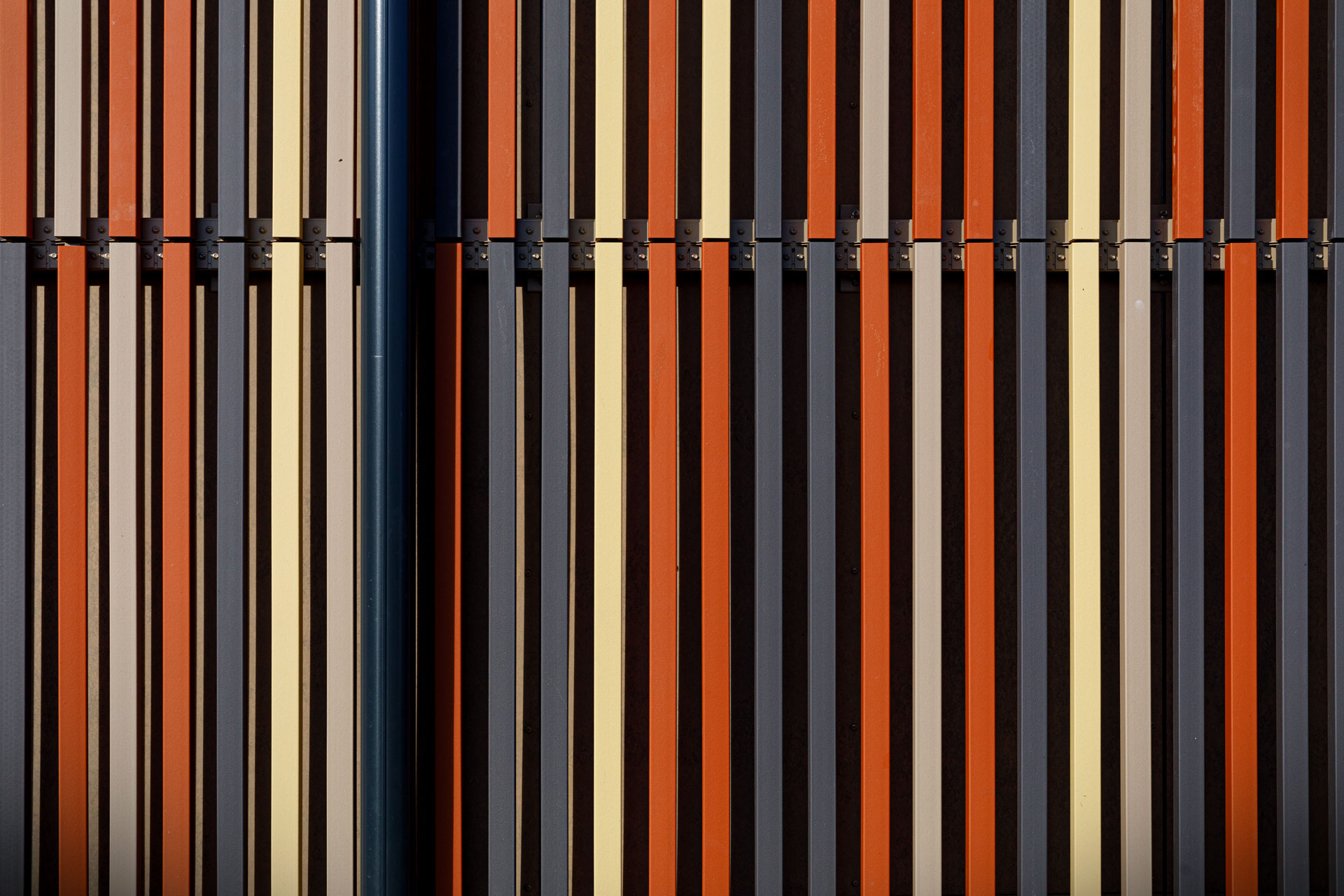
The striking terracotta façade catches everyone’s attention. Terracotta rods are grouped and mounted on the façade alongside vertical wooden cladding. Together, they break down the scale of the building and radiate warmth and a sense of closeness to nature. The strong colors and play of light and shadow make the façade shift in tone as you move around it — adding life and vibrancy.

Leftover bricks from the old dairy were reused — some integrated into the restaurant walls, others built into the entrance courtyard walls. A tangible memory of the dairy that once stood here in the 1930s.

Openness and spaciousness

Although the building nearly touches every property boundary, it is characterized by remarkable openness and volume. Clear wayfinding reinforces this sense of openness.

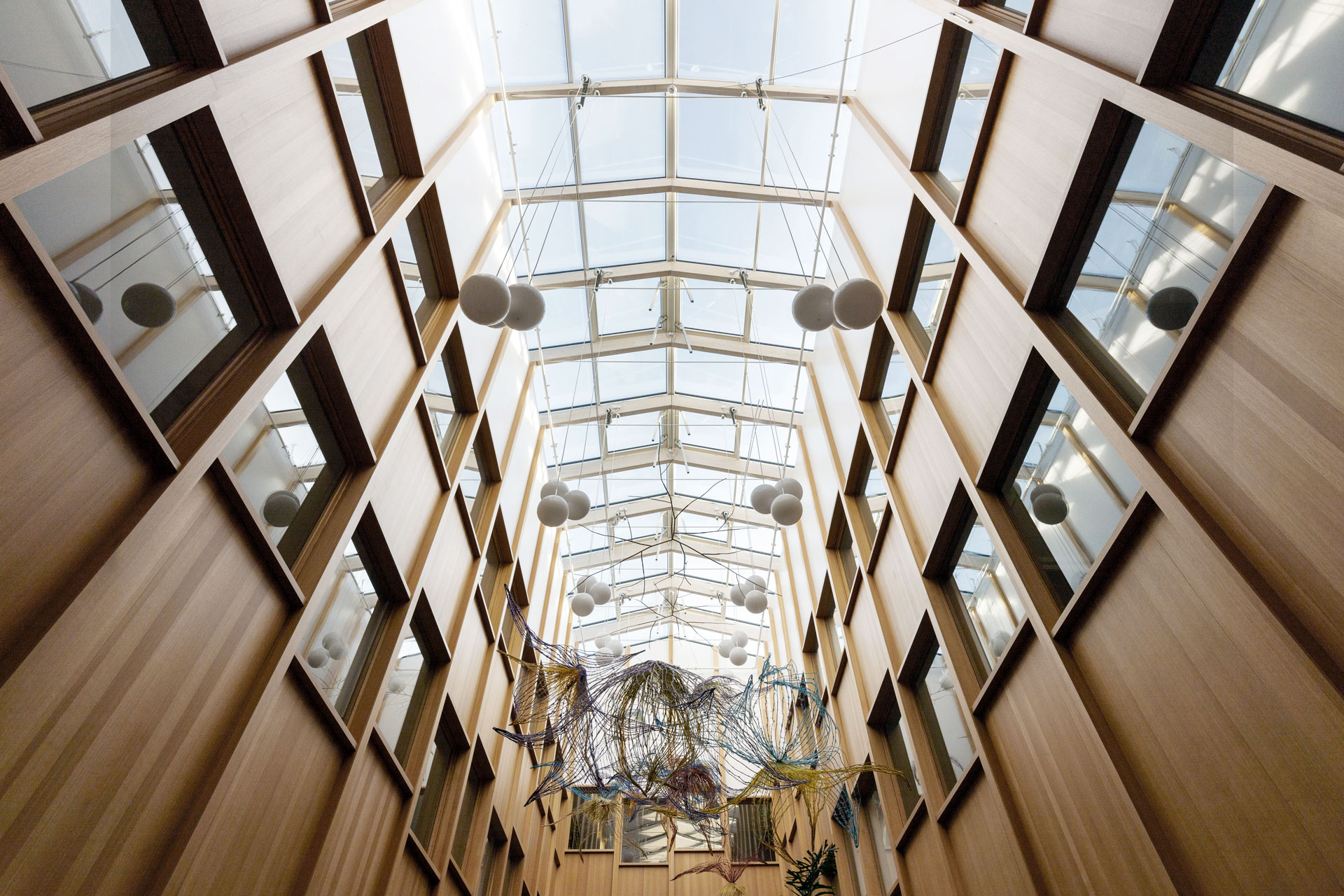
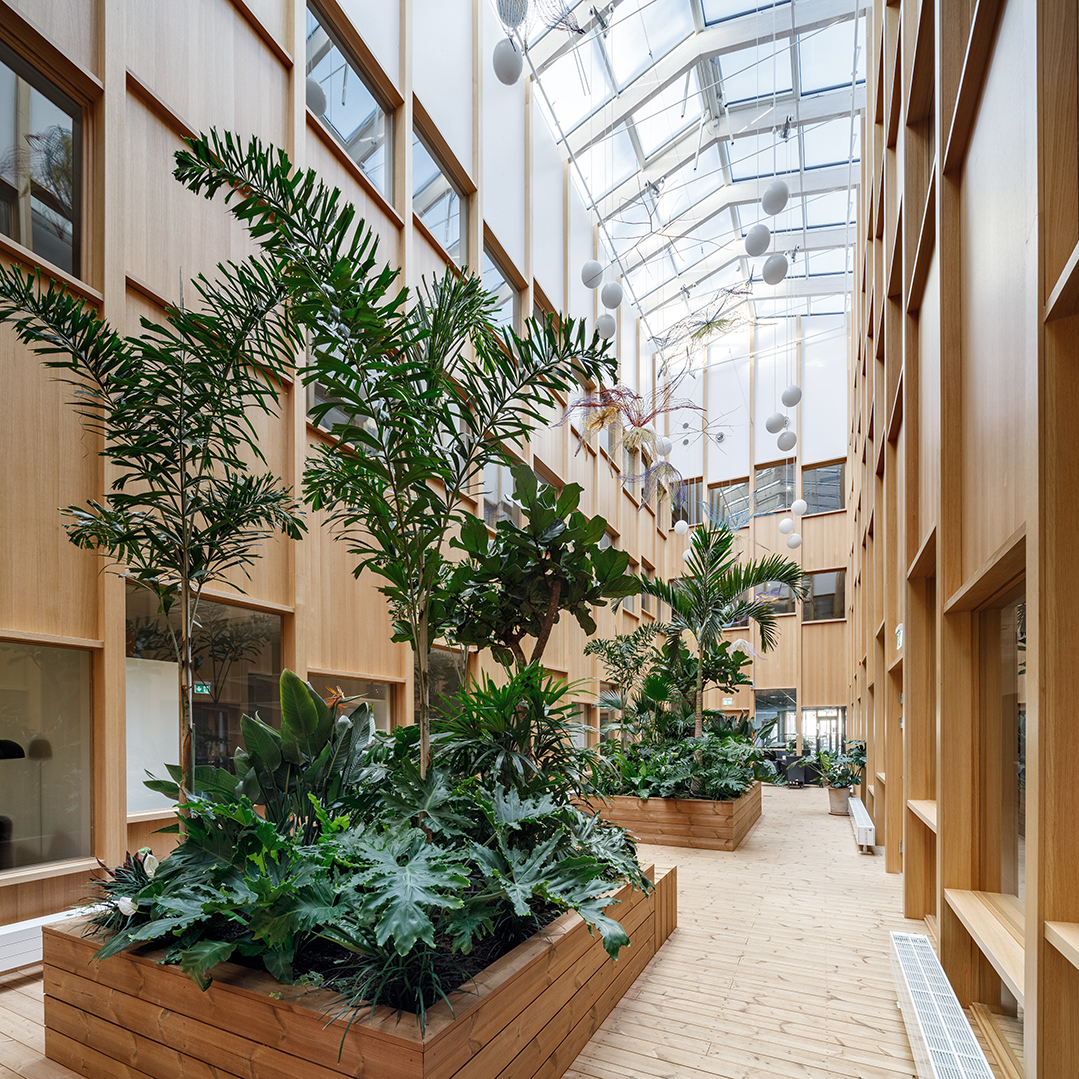
Upon entering, you get the feeling of stepping into a hotel lobby rather than a traditional entrance hall. From here, all of the building’s functions are accessible via a single central staircase. A connecting corridor runs through the entire structure, leading to the Winter Garden — accessible from every floor. This is an oasis for both residents and visitors.

Mejeriet

Quality for the elderly

The senior housing consists of 16 apartments facing the square, while the care home includes 25 apartments. Room sizes are generous to ensure flexibility for both residents and staff. French balconies and low parapet windows allow residents to look outside from their bed or wheelchair. Shared spaces are large, and there is a guest apartment for relatives as well as a terrace at the core of the care units.

A key ambition was to create a calm and secure environment for residents while also streamlining the workflow for staff in an intensive care setting.

The municipality invested heavily in technology to enhance resident safety. Sensor-controlled floors alert staff if someone has fallen. Toilets are height-adjustable, and both residents and staff wear wrist chips that automatically unlock specific apartment doors.

A building of character

We wanted to create a building that takes its place and speaks up — a structure deeply connected to nature yet engaged with the urban fabric. A building people can draw strength from. Now there is Mejeriet.

Contact person

Matt Patterson

+46 36 440 90 81

Kungsängen Cultural Center

An important local stage
Architecture
Culture
Client: AB Upplands-Brohus + PEAB
Location: Kungsängen, Upplands-Bro
Completed: 2014
Building type: Conversion and extension
Gross floor area: Approx. 3,400 sqm
Photographer: Tim Meier

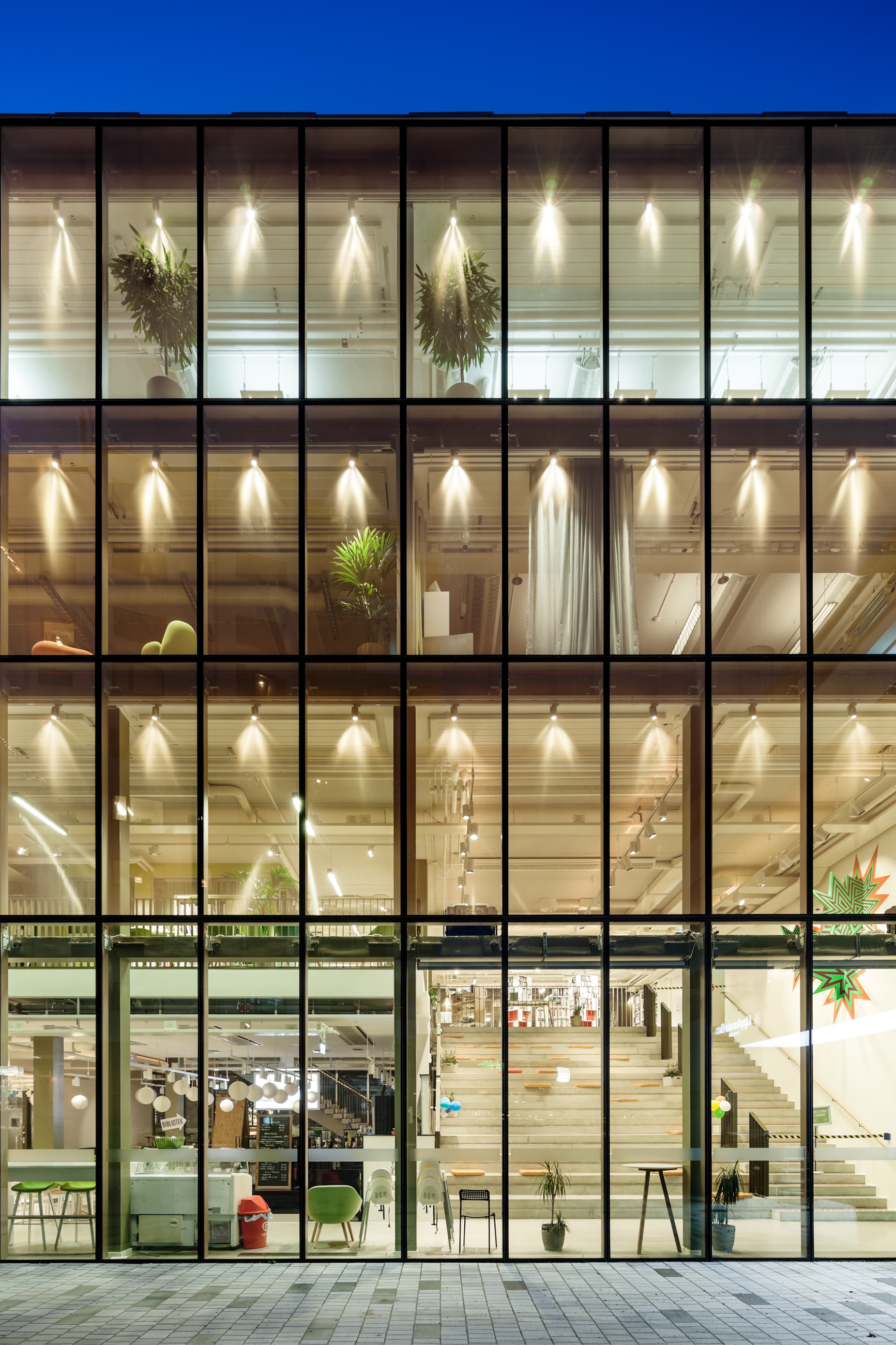
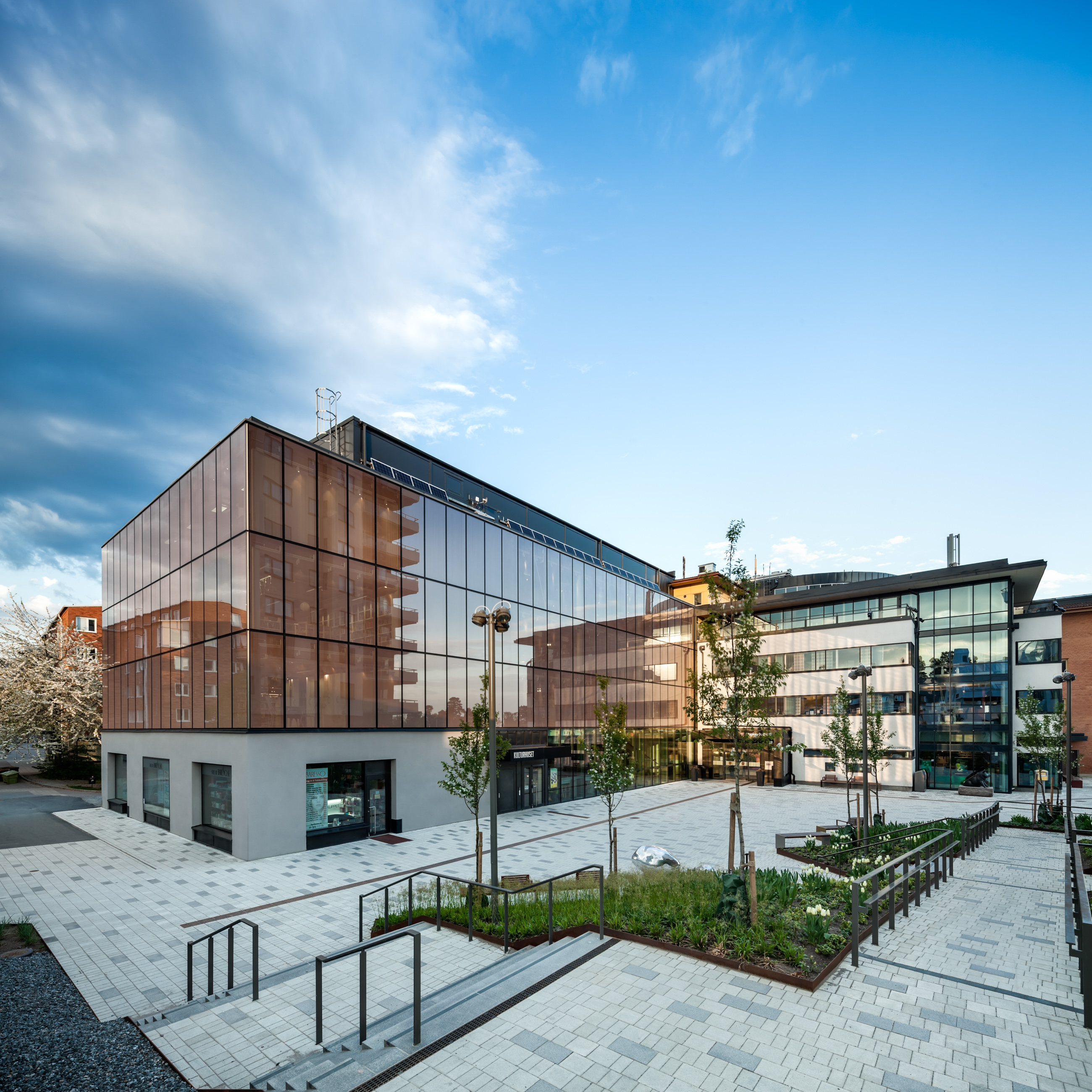
In a prime location in Kungsängen, the new Cultural Center has become a lively meeting place on the town square. Here, people of all ages gather to enjoy dance, music, and a wide range of other cultural activities and events. Welcome to Kungsängen Cultural Center!

Kungsängens Kulturhus

The new building houses a café and exhibition spaces on the entrance level. One floor down lies a partially submerged multi-purpose room and black box, used for municipal council meetings, concerts, lectures, and film screenings. This part has its own entrance, making it independent from the rest of the building’s functions. Adjacent to the entrance level is a climbing ramp and gathering area designed for younger visitors.

Where culture meets community

The two middle floors are dedicated to the library and a variety of study areas – creating calm and inspiring spaces for focus and learning. At the very top of the building, meeting rooms and office spaces serve the needs of the municipal administration. The distinctive façade features a double-glass system with a copper mesh sandwiched between the panes, adding warmth and depth to both the interior atmosphere and the building’s external expression. This design not only enhances the indoor environment but also plays a key role in shaping the identity of the new town square.

On the roof, solar panels generate renewable energy for the building. In the town hall lobby, a digital display allows visitors to track energy production in real time. A small but impactful reminder of the building’s smart systems and its contribution to a more resource-conscious future.

Kungsängens Kulturhus

Contact person

Mark Humphreys

+46 8 412 53 43

Brf Prima

Harbor life with a view
Architecture
Residential
Client: Lillskär AB
Location: Sundsvall
Area: Approx. 7,000 sqm GFA, 63 apartments
Completed: 2018

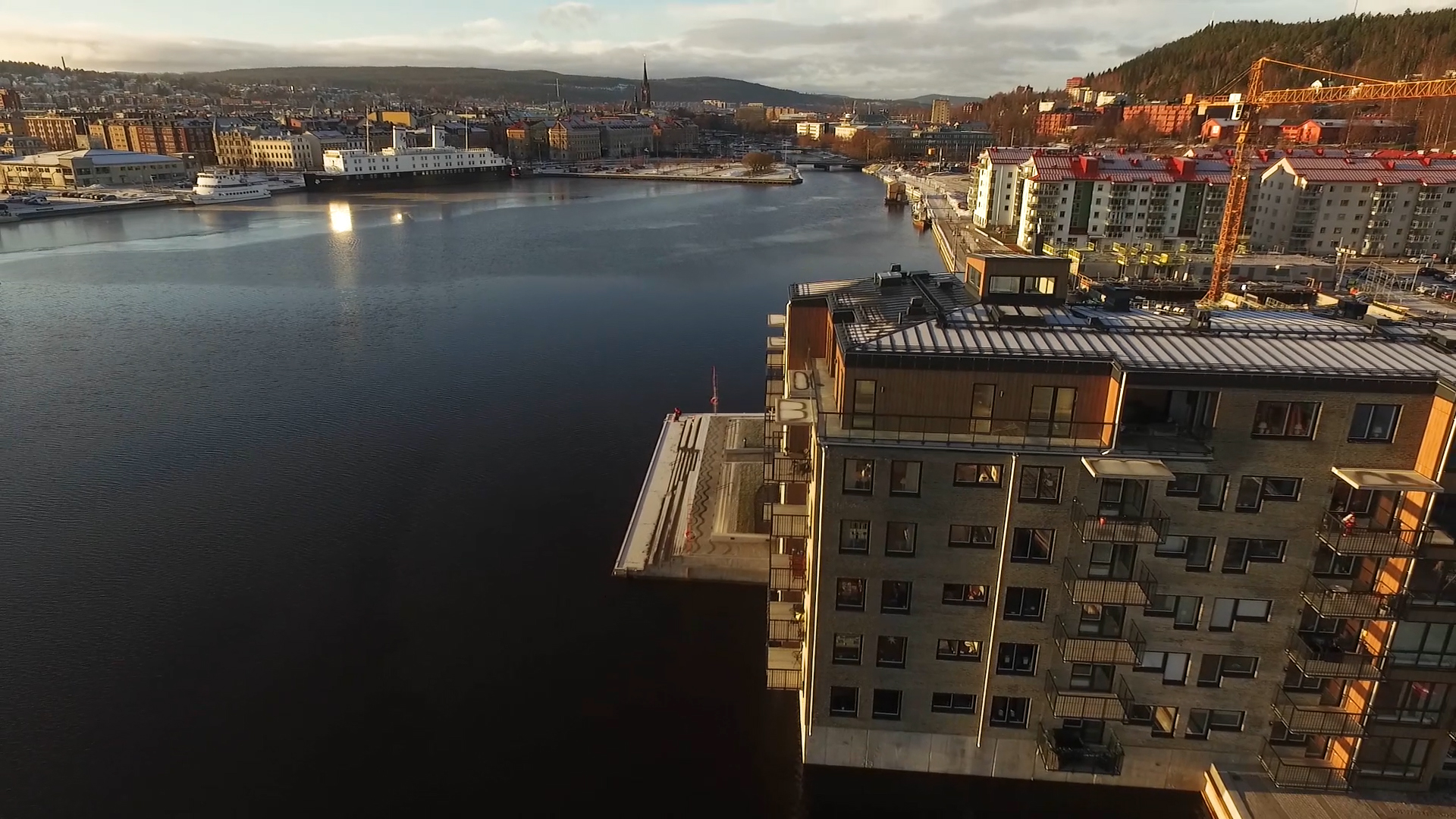
At Sundsvall’s northern quay, new homes now rise where an old industrial area once stood. We designed two residential buildings offering generous views and balconies, inspired by harbor cities such as Amsterdam. In short – welcome to Brf Prima.

Brf Prima

Brf Prima consists of two blocks, one of which was completed in the spring of 2018. The buildings are defined by their generous terraces and bright, open floor plans that invite light and flow. The apartments vary in size, from two to four rooms with kitchens, and all offer calming views over the water – a feature that brings a strong sense of place and presence to each home.

The surrounding landscape plays an important role in the design. Orangeries, balconies, and rooftop terraces create seamless transitions between indoors and outdoors, making nature a part of everyday life.

Because the block doesn’t have a traditional courtyard, the sense of community finds expression elsewhere. Residents share a large communal rooftop terrace that faces southwest, protected from the wind and with an open view over the bay and Sundsvall’s scenic city center – a place for spontaneous meetings, evening sun, and connection.

Generous terraces and open layouts

Brf Prima draws inspiration from harbor cities like Amsterdam. Narrow building volumes stand side by side, each with its own identity. We brought that idea to life by giving every structure a distinct expression. Together, they create variation and rhythm along the block. Open stairwells and orangeries break through the brick façade, adding light, texture, and a sense of movement – small details that bring the whole to life.

Contact person

Niklas Svensson

+46 8 410 354 54

Atlas, Southern Center in Gothenburg

Modern roots
Architecture
Residential
Client: JM
Location: Gothenburg
Project years: 2017–2020
GFA: Approx. 17,000 sqm
Photographer: Felix Gerlach

In what was once a classic industrial area just outside central Gothenburg, you’ll find Södra Centrum. When we set out to develop new housing here, it was important to preserve the area’s industrial character – roots should never be neglected. At the intersection between 1950s buildings and old factory structures, we designed the residential block Atlas.

Where Södra Centrum is now taking shape, there once stood a brewery. Later came a carpentry workshop and several car repair garages. It is these latter 1950s buildings that formed the basis for the color and material palette of Atlas. Inspiration for the industrial character of the buildings was drawn from the site’s history, the client’s vision, and the neighboring former industrial quarters. This is clearly reflected in the exteriors – not least in the hand-laid brick façades.

“The houses have a simplicity that is consistent, allowing the material to speak for itself,” says Jesper Kryander, project director at Tengbom. “The few details that exist were developed through the brickwork, with reliefs, continuous glass partitions in the stairwells, and unpainted metal elements.”

The old factory buildings had a warm sandy yellow tone, a hue that we carried into the new brick. It also harmonizes with the surrounding 1950s and 1960s buildings. The block follows the local development plan, forming a slightly curved horseshoe shape.

Tall portals for evening sun

To reduce the overall scale of the Atlas block and define three distinct building volumes, we raised the portals to create generous entry spaces leading into the courtyard. Together with lighting designer Simon Malmström, we designed the entrance lighting to reinforce the spatial character and evoke a sense of security. The buildings vary in height from six to eight stories. They contain 146 apartments ranging from one to four rooms with kitchen. The lowest building to the west allows extra afternoon and evening sunlight to reach the balconies and patios of the inner courtyard. On the ground floor facing the street, there are commercial spaces.

A playful nod to numbers

One slightly unconventional feature of Atlas is its unified signage design at the entrances. Instead of traditionally mounted signs, there is a designated area beside each door where tenants paint their logo or address number.

“It’s a small nod to the old industries where companies painted their names directly on the brick,” says Jerker. “The brick surface is smoothed with sack-spackling, making it easy to repaint with a primer when the premises change tenants.”


From space-efficient homes to garden houses and guest rooms

Although much attention was given to the façades, the apartments certainly weren’t left behind. On the contrary, they are carefully designed, space-efficient, and offer generous storage. The block includes several smaller apartments to meet demand, as well as larger terrace apartments on the top floor. For residents in smaller units, the housing association offers a shared guest apartment for overnight visitors. Adjacent to the block is also a garden house with a sauna and a small gathering space that residents can book. Outside the garden house, a shared pergola-covered patio invites relaxation.

Powered by VR

VR to communicate the vision

An important takeaway from the project was the collaboration with JM in using VR sketches. Weekly sketch meetings helped the project move forward without misunderstandings or the need to backtrack.

“We used VR early in the process, involving the client’s project leaders, design coordinators, marketing team, and interior design lead in the creative work,” explains Jerker. “By working together from the start, we avoided later revisions. Often, ideas have to be scaled down or compromised in later stages. But since everyone was included from the beginning, we didn’t have to.”

One example is the two-story-high portals facing the courtyard.

“Usually, this type of portal is only one story high,” says Jerker. “We knew we’d be removing some apartments by increasing the height, but when we presented the proposal in VR, the spatial experience we wanted to convey became clear. Without the digital tools, before materiality is introduced, it can be harder to communicate the sense of volume. Here, we could identify the value early.”

Contact person

Jerker Kryander

+46 73 524 90 28