Archives

Stockholm Concert Hall

Ivar’s legacy lives on
Tengbom
Architecture, Cultural Heritage
Culture
Client: Amongst others The Concert Hall Foundation through Locum
Location: Stockholm
Year of commission: 1926-
Type of project: Concert Hall
Competences: Culture & Sport, Heritage

The Stockholm Concert Hall, which opened in 1926, stands as one of our most renowned creations. Ivar Tengbom, a pioneer of Swedish architecture, designed the building. Over the years, we have returned several times to preserve Ivar’s legacy. Each effort ensures that new generations of visitors can continue to experience the hall.

On April 4 1920, a competition was announced in the journal Arkitekten for the design of Stockholm Concert hall. At the time of the announcement, Ivar Tengbom together with two other architects, Torben Grut and Lallerstedt, had already received a special invitation from the Concert hall committee.

Ivar threw himself into his competition entry in partnership with his assistant Birger Jonson. He later highlighted Birger’s contribution and meant that ever since the first tentative sketches of the competition entry, he had provided ‘invaluable support during the planning and execution of the project’. Our partnership is crucial for the architecture that we create even today – which is why we are so very happy about this. That this is a tradition that goes all the way back to when Tengbom was founded.

Fotograf: Sten-Åke Stenberg

The red heart

The competition entry ‘The red heart’ was based on the Greek and Roman theatre. The design of the great concert hall was a deciding factor in the competition and according to Ivar, it became the core from which the entire building was created around. When Ivar imagined the hall as a Roman courtyard, a peaceful festive area where the parquet is framed by stands with slender columns. Behind the podium – the room’s focal point – he saw a false perspective that implied a continuation towards the imagined Greek landscape. Above this, the white ceiling opened up like a sky from which the lighting would give the feeling of an eternal, mild sunshine.

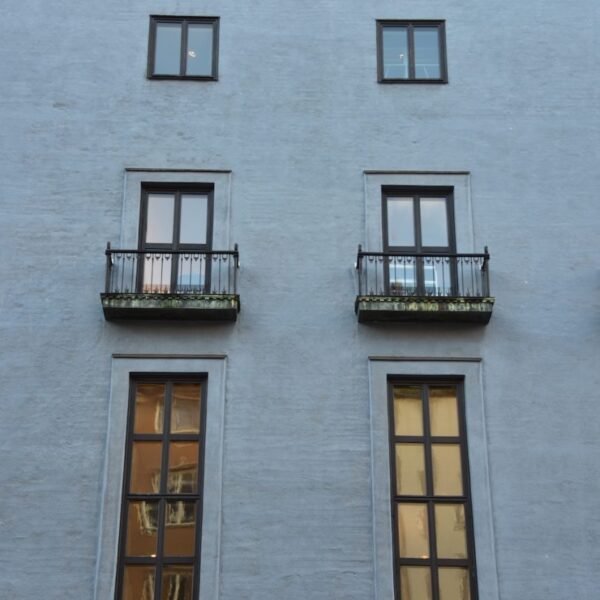
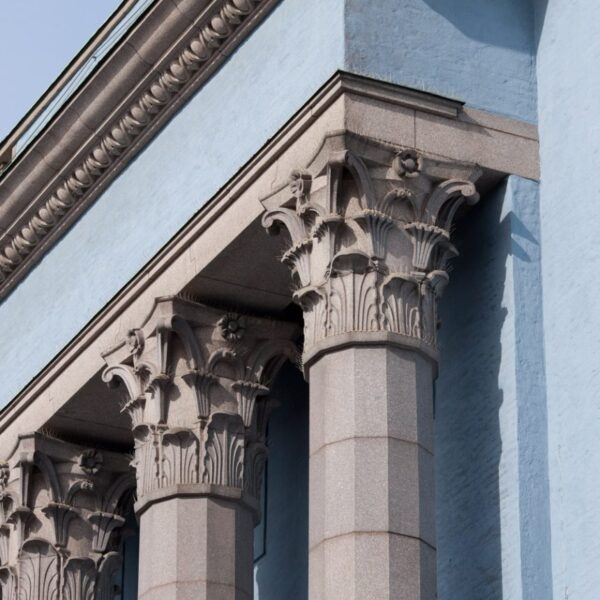
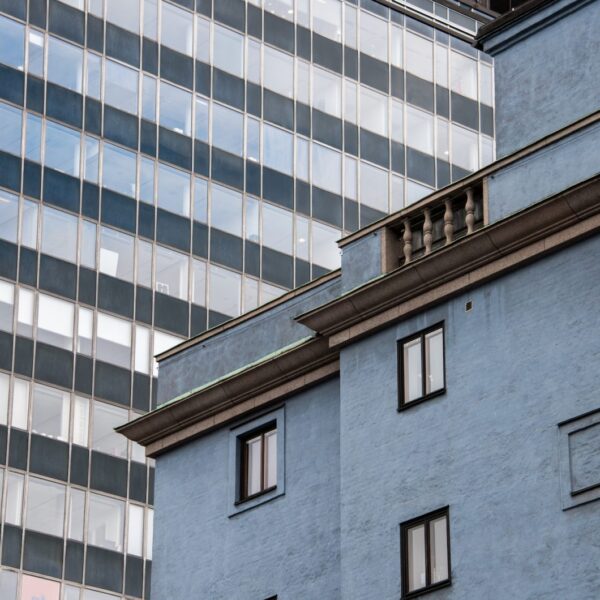
Outside, there was a decorative row of columns as a portal between the outer and the inner room – a reflection of the great hall’s ancient character. For the rest, Ivar Tengbom distributed the program within a strictly coherent, cubic and undecorated concrete block. A contemporary approach which the curator of the National Museum at the time, Erik Wettergren, described at the opening ceremony later as ‘the new architecture’s hallmark’. In the proposal, Ivar Tengbom gave his Stockholm Concert hall an unusual blueish façade.

Stockholm Concert Hall
Photo: Sten Jansin

The description that accompanied our entry was written by hand and full of exciting, rhetorical expressions. In several places Ivar Tengbom talks directly to the jury to explain his thoughts. He appears to have had a sense of humour, our Ivar – when defending the columns on the exterior, he says: ”The judge is asking, columns, what are you doing?”. The press preferred the end quote which was often repeated with glee:

”And now, Mr Executioner, do your duty!”
A symbol for the future

The jury received thirty-four proposals. Initially, they awarded first prize to both The Red Heart and Erik Lallerstedt’s proposal, The Wings. After an intensive process and further development of the original idea, we finalized the planning and brought Ivar’s vision to life.

In retrospect, Stockholm’s Concert hall became a distillation of different currents in the Swedish architecture debate from the beginning of the 1900s.

The interest in town construction issues, the importance of a rational approach to the materials and construction, and the desire to once again unite the architecture and the liberal arts, all played a part in the end result. As a public building, the Concert Hall became a symbol of the cultural intentions of the Swedish society alongside the development of the modern civilization.

Stockholm Concert Hall
Photo: K-A Larsson
Stockholm Concert Hall
Photo: K-A Larsson

Stockholm Concert Hall full of invaluable art treasures

The Concert Hall holds many important works of art, both inside and outside the building. Carl Milles’ famous sculpture, the Orpheus Group, stands by the stairs to Hötorget. Inside, Isaac Grünewald’s incredible ceiling and wall paintings adorn the Grünewald Hall. Explore more about the art around the building on the Concert Hall’s website.

New generations take over

Over the years, we have continued to preserve Ivar’s legacy, ensuring that it lives on for future generations of visitors. In the early 1970s, Ivar’s son, Anders Tengbom, led a major renovation and expansion of the house. He rebuilt the wall behind the podium, which later made way for a magnificent concert hall organ. He also had the ceiling painted in a dark colour to accommodate new technology and acoustic aids, creating an atmosphere reminiscent of a Mediterranean night.

The restoration of the Concert Hall’s exterior brought back its bold original blue colour, once hidden by years of pollution. The local population once again admired its striking appearance.

Preserving historic buildings requires ongoing attention, especially to meet changing accessibility standards and integrate modern technology. In recent years, we have improved acoustics and installed new technical systems. We have also designed a new rehearsal hall, the Aulin Hall, which features flexible seating areas.

Contact person

Mia Lindberg

Head of Communications
+46 8 410 354 93

The Royal Opera

To preserve a historic national stage
Architecture, Cultural Heritage
Accessibility, Building Preservation & Restoration, Culture, Heritage Expertise, Renovation & Transformation
Client: The National Property Board of Sweden
Location: Stockholm
Years of commission:: 2007-2012
Type of project: House architect
Competences: Culture & Sports, Interior Design, Historic Preservation

Between 2007 and 2012, we were the in-house architects of the Royal Opera in Stockholm. An inspiring task filled with responsibility which included making sure that the fantastic opera house from 1898 was developed and taken care of in the best possible way.

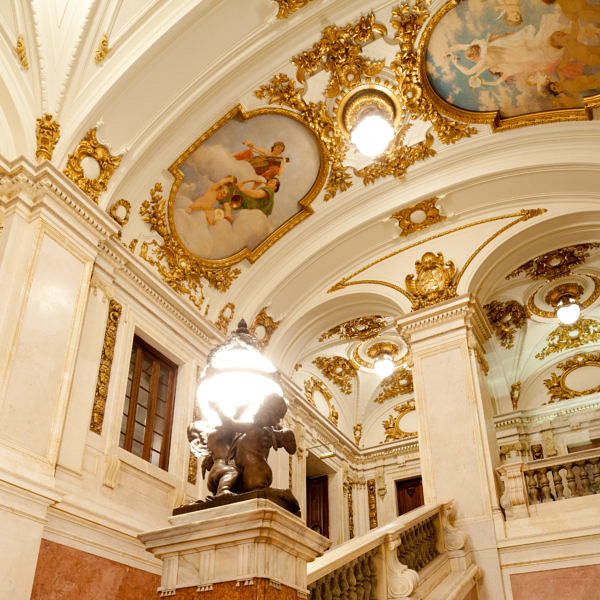
The architect Axel Anderberg designed the Royal Opera, Sweden’s national stage for opera and ballet, which opened in 1898. It stands on the same site as Stockholm’s first large opera building from 1782. Anderberg drew much of his inspiration from the Paris Opera. He gave the new opera house a Neo-Renaissance exterior, while designing the staircase, foyer, and salon in a Neo-Baroque style.

From stage technology to Golden Foyer

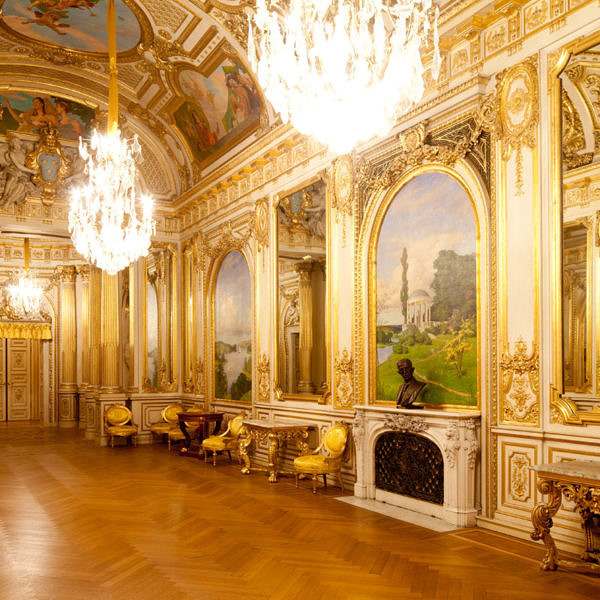
Today, the Royal Opera is a national monument. The opera house includes a complex mixture of advanced technology and working areas. Richly decorated, representative environments such as the Golden Foyer with its shimmering stucco, brocades and chandeliers. The twelve floors house a thousand rooms and many different activities – from stage technology in the basement via workshops, rehearsal rooms and dance studios, restaurants, dressing rooms, and all the way up to the costume designer’s colourful studio just above the roof of the salon.

An amazing experience we will never forget

Expertise and continuity

Photo: Sten Jansin

To be the in-house architect for something so amazing as an historic opera house is a great responsibility. In our role as renovation architects, we have to be experts on the building, its history, values and requirements. Our task included architectural, artistic, antiquarian, and technical oversight. We also ensured compliance with all regulatory requirements. Additionally, we made sure that every plan and action aligned with both management’s vision and the business requirements.

Photo: Sten Jansin
Photo: Sten Jansin

To take care of the opera house in the best possible way, long term plans need to be established both for maintenance and restoration. One of our most important tasks was to constantly walk the fine line between today’s requirements and the antiquarian requirements as well as qualities of the national monument.

A masterpiece of coordination

To be the in-house architect for the Royal Opera is in many ways a communicative masterpiece from a coordination stand point. The task requires constant communication with clients, managers, tenants, authorities, specialists, various consultants, contractors and craftsmen. There were many of us who worked intensively on the project – an amazing experience we will never forget.

Contact person

Mark Humphreys

Practice Director Stockholm
+46 8 412 53 43

Malmö Live

The new cultural hub of the city
Architecture, Interior Design
Culture, Hotels & Meetings, Restaurants
Client: Skanska
Location: Malmö
Years of commission: 2011-2015
Design Architect: Schmidt Hammer Lassen
Contractor: Skanska
Competences: Project planning & management, Interior Design, Hotel & Restaurant, Kultur & Idrott, BIM & 3D illustration

Here at Tengbom, we have played a decisive role in Malmö’s new social and cultural meeting place – Malmö Live. As construction architects, we have been instrumental in completing the vision, taking the interests and desires of many stakeholders into account within the context of the approved design programme.

The concert, congress and hotel facility Malmö Live was completed in 2015 and is one of Malmö’s largest municipality transformation projects. The neighbourhood is located in the area near the Neptuni park, which has become known as a type of bridge between the new and the old parts of the city, which also houses dwellings and offices. The whole thing started when Schmidt Hammer Lassen (SHL) architects and Skanska won a land use competition. Tengbom was given the honourable task of planning the project and help completing the vision. During the entire process, we had a close and fruitful collaboration with Skanska and SHL as design architects in charge.

Greater contexts

We are gladly involved in municipality development projects of this type and work on the larger scale of things. Malmö Live, for example, has meant a lot for the business sector of the municipality, both through the creation of new jobs but it has also had larger consequences in that the building is attracting both international and local events to the city.

“We are both happy and proud of having contributed to Malmö’s new social and cultural meeting place. Our part of the project has meant that the municipality now has a suitable space and a platform to develop different types of art with everything from dance to music and theatre,” says Magnus Nilsson, architect in charge.

Malmö Live
Photo: Joakim Lloyd Radoff

Cooperation yields results

The entire project is an example of a great partnership – not only between SHL, Skanska and ourselves but also within Tengbom, where experts were borrowed from Gothenburg and Helsingborg, in addition to the office in Malmö. When it comes to experience and expertise of public spaces and concert activities, we have been very lucky to dip into the Gothenburg office’s experience of the opera house in Gothenburg. The same office was also in charge of signs in the building. The Helsingborg office contributed their expertise and knowledge of detailed planning of the façade.

“In Malmö we have taken on the role of coordinating architect for technology, technical requirements, construction, ventilation, plumbing and electricity. Then there is another layer of acoustics and lighting, as well as the contractor’s implementation requirements. We also have to deal with regulatory requirements and other things such as accessibility and sustainability,” says Magnus Nilsson.

The entire project is a recipe for good collaboration.

A good partnership is the result of the will and drive of many experts to reach a common goal. The expertise to coordinate this and complete it comes from us and this is the greatest challenge.

Kitchen & Table Photo: Joakim Lloyd Radoff

The goal

The goal was to find sustainable solutions through design. An intensive analysis process guided material choices, balancing multiple complex factors. Close collaboration with clients and design architects ensured the best results. In this project, we advocated for durable and sustainable materials like solid wood, prefabricated concrete, and metal. The final design featured sound-insulated concrete walls in the concert and congress halls. Green roofs managed stormwater, while solar panels generated renewable energy for the building’s operations.

Eatery Social Taquería Photo: Joakim Lloyd Radoff

From ground level to sky bar

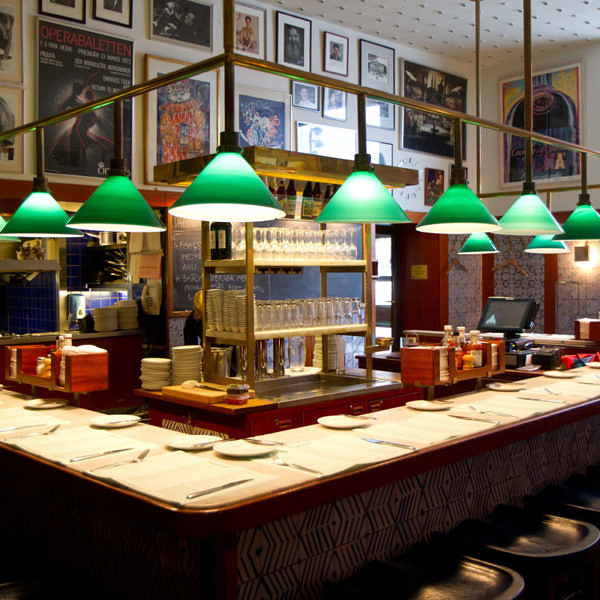
In addition to getting the opportunity to design details in all the important rooms in the building, we have also on request by Nordic Choice developed a concept and construction documents for the restaurants Eatery Social Taqueria on the ground floor and Kitchen & Table in the sky bar of the hotel.

Awards and Recognitions

Malmö Live got nominated in the Mixed Use – Completed Buildings category, WAF in 2016.

Contact person

Josefin Klein

Practice Director Skåne
+46 40 641 31 18

Waldemarsudde

The legacy of Prince Eugen
Waldemarsudde 2015
Architecture, Cultural Heritage, Interior Design, Landscape
Accessibility, Building Preservation & Restoration, Culture, Heritage Expertise, Renovation & Transformation, Residential environments
Client: The National Property Board of Sweden
Location: Djurgården, Stockholm
Years of commission: 2013–2015
Type of project: House architect
Collaborative partners: LEB, Tyréns, Projektel, Brandskyddslaget
Areas of expertise: Heritage, Landscape

Waldemarsudde is a unique environment filled with great experiences. It has beautiful countryside, fascinating historical buildings and fantastic art. Waldemarsudde is primarily associated with Prince Eugen – botanist, landscape painter and art collector – who lived here in the early 1900s.

The legacy of Prince Eugen

The palace was commissioned by Prince Eugen and designed by the architect Ferdinand Boberg, and was built between 1903 and 1905. The gallery building was added in 1913 to house the Prince’s extensive art collection. Upon Prince Eugen’s death, the entire Waldemarsudde estate was bequeathed to the state, which was to manage it as a museum. Waldemarsudde is one of Sweden’s best known and most visited art museums and has been a listed building since 1993.

Waldemarsudde Tengbom 2015
Photo: Nina Broberg

Responsibility for maintenance and development

Tengbom had the framework agreement as building architect and general consultant for Waldemarsudde between 2013-2015. This meant that we were responsible for the listed building’s maintenance and development, in collaboration with the National Property Board of Sweden and the Prins Eugens Waldemarsudde Museum. We primarily worked in the areas of architecture, conservation and technical matters, as well as regulatory requirements. In conjunction with the consultant group, as building architect we carried out project planning as well as investigative assignments. We were consultants and handled such things as permit issues and long-term plans for maintenance and restoration.

Adaptation and visions for the future

One of the projects we worked on at Waldemarsudde was the extensive rebuilding of the museum shop and entrance hall, including improvements to accessibility at the main entrance, both inside and out. We focused on environmental aspects, lighting, acoustics, and both interior and exterior maintenance. The park and gardens was also part of our work. Additionally, we developed a proposal to open the old linseed oil mill to the public.

A complex project with specific challenges

The project at Waldemarsudde presented constant challenges. Working in an art museum means tackling environmental, technical, logistical, and programming demands. The focus was on adapting and refining the design to meet today’s needs while carefully preserving Waldemarsudde’s cultural value.

Close collaboration is essential

Collaboration was key throughout the process. Technical consultants and specialists joined early on. Each project within cultural environments involves close contact with managers, tenants, and authorities. Craftsmen, contractors, and other consultants also play a vital role. This demands flexibility, coordination skills, initiative, and a keen sense of the bigger picture.

Contact person

Josefin Larsson

Business Developer
+46 72 183 02 34