Kungshuset
A murmur of centuries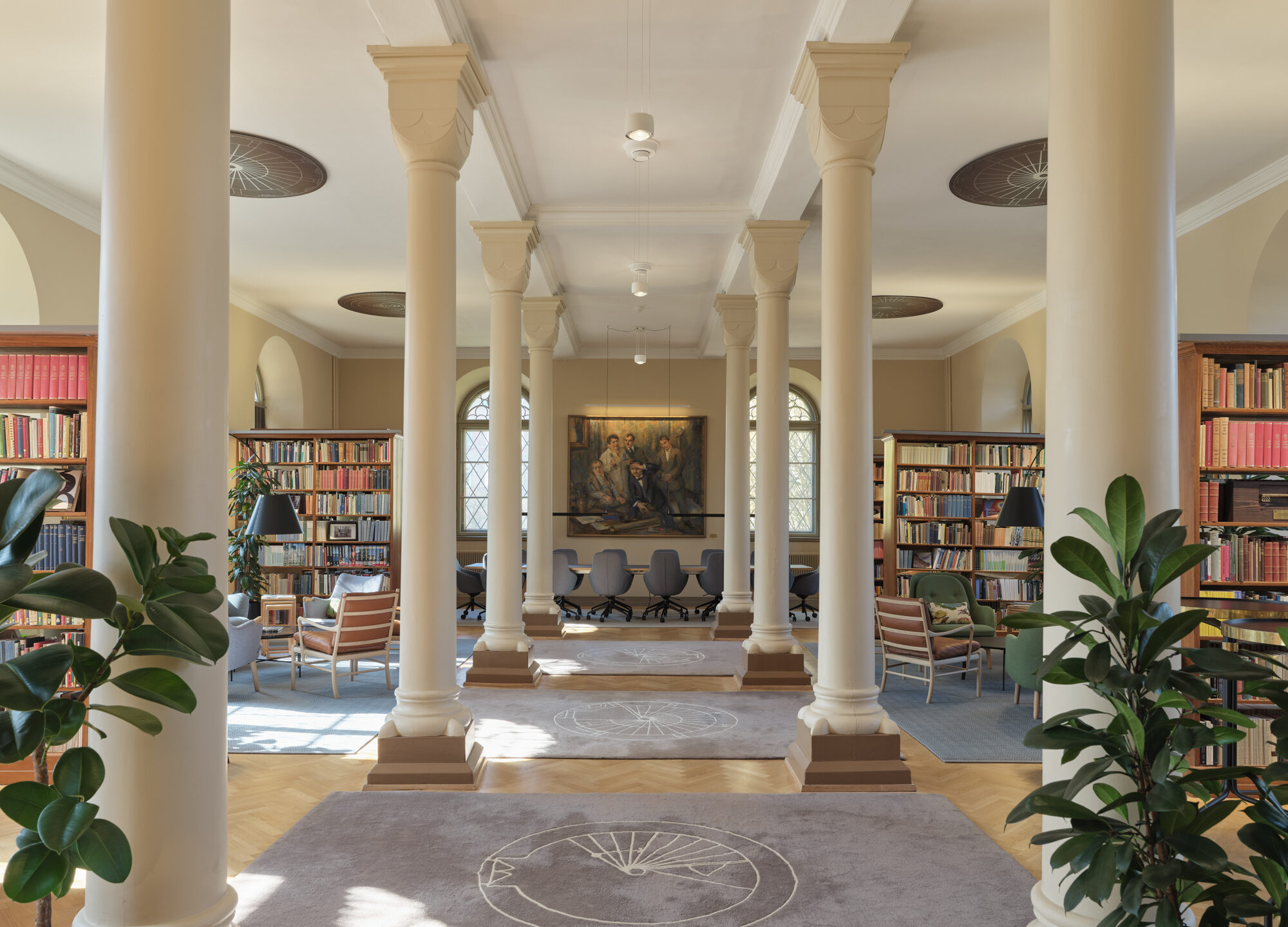
The walls echo thick with history in one of Lund’s most iconic buildings, erected in 1580 as a county residence. Today, Kungshuset serves as a functional workplace for the management of Lund University. For us, this meant a renovation characterized by precision and sensitivity – with interiors inspired by the building’s persona.
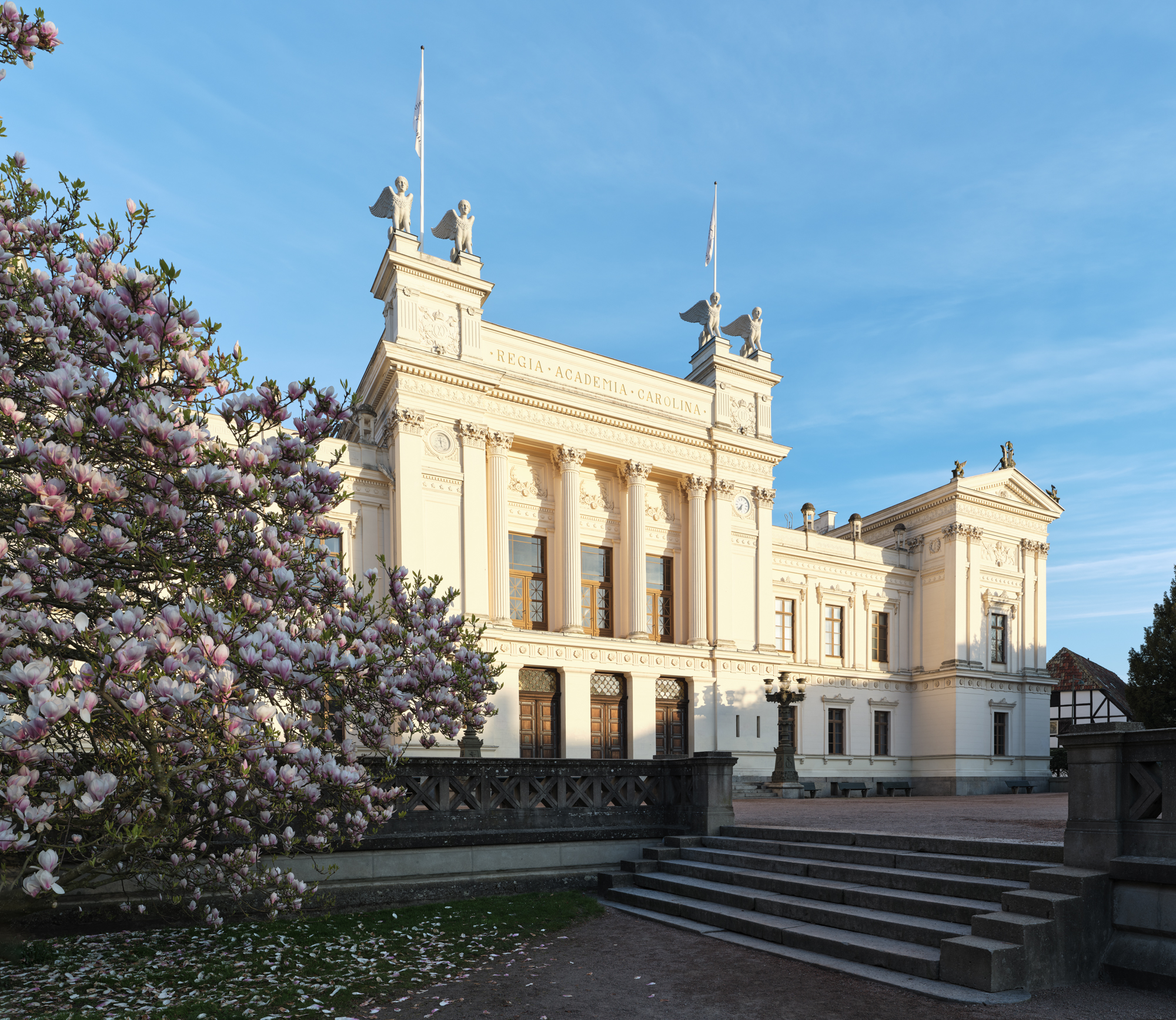
Just over a hundred years after its construction (1580), Kungshuset became the academic main building for Lund University. Since then, the house has undergone numerous transformations. As general consultant for the National Property Board of Sweden, with Lund University as tenant, we had the opportunity to add another 300 years of use.


With traces from the 11th century
It would be untrue to say this was a small challenge. Requirements for accessibility, installations, and fire safety had to be met, while preserving the layout, materials, and cultural-historical values. By gathering all our specialists, we created solutions that endure over time while respecting the site’s history. 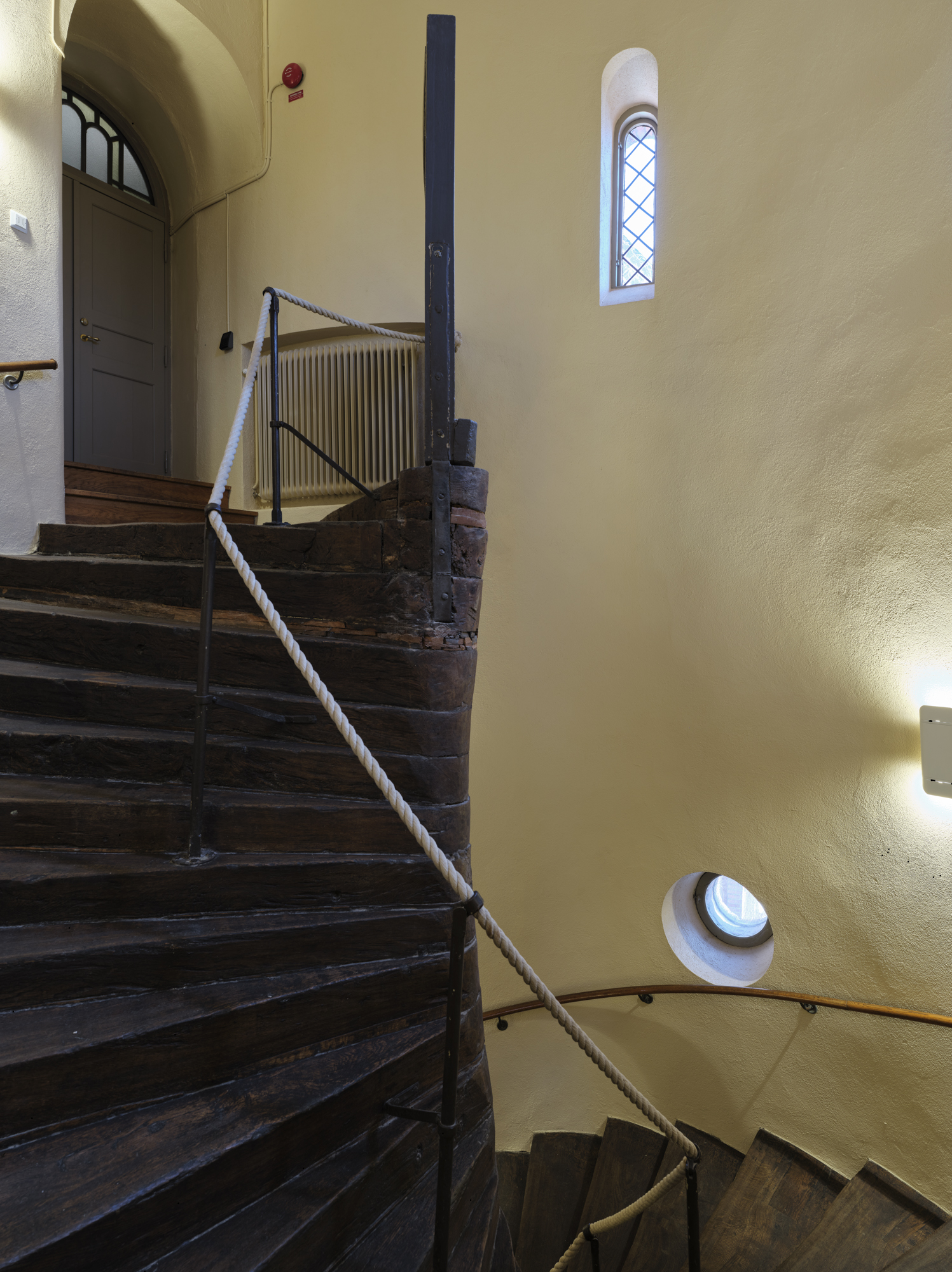
“Working with a building that carries so much of Lund’s and the university’s history requires humility. We removed later additions and highlighted what is truly unique, while carefully weighing each new intervention,” says Maria von Porat, Lead Architect.
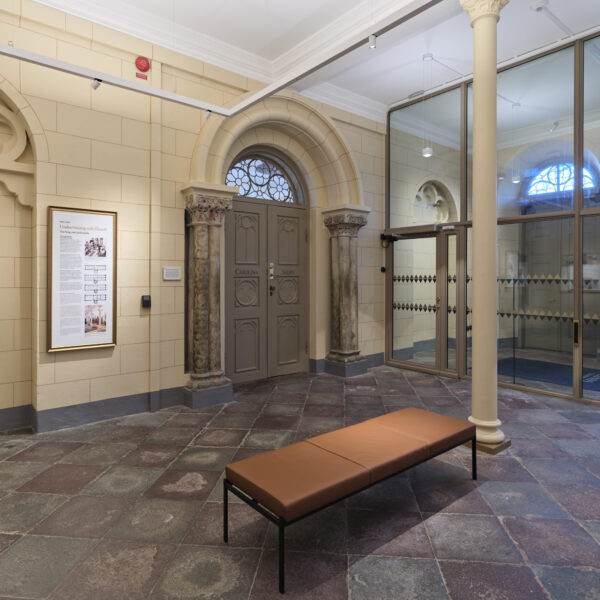
During the renovation, remains of 11th-century buildings were discovered beneath the floor level. These findings serve as reminders of the site’s deep historical significance, making the demands for care even clearer.
A building for the 21st century
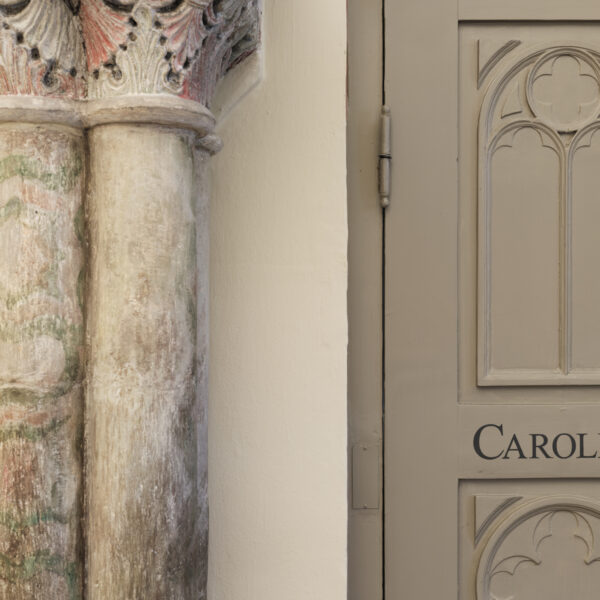
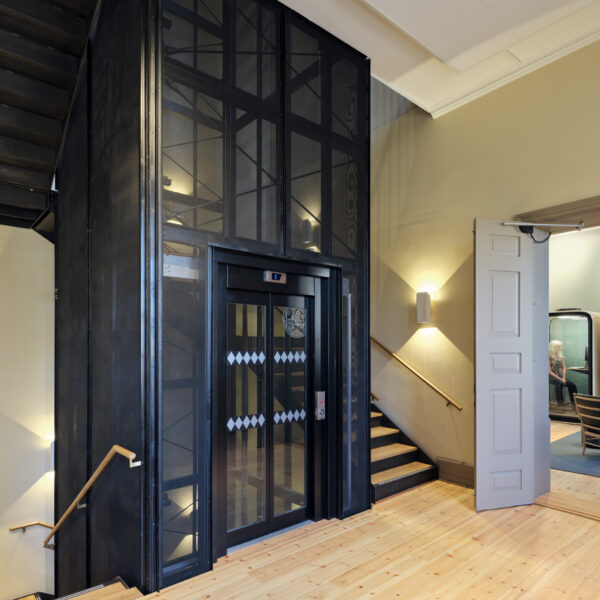
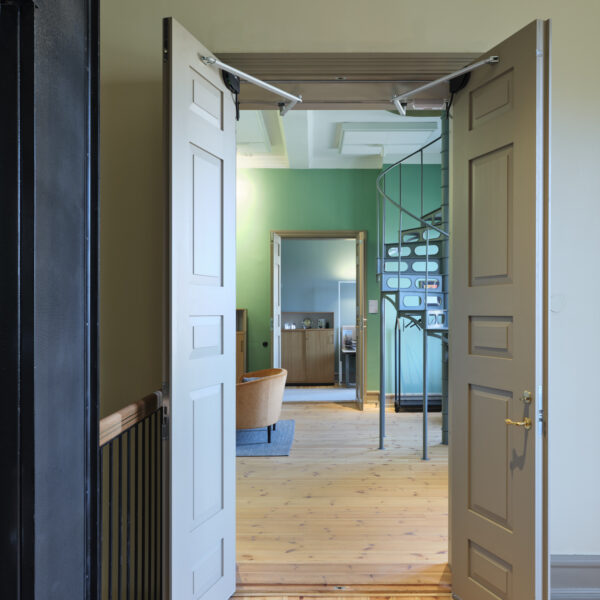
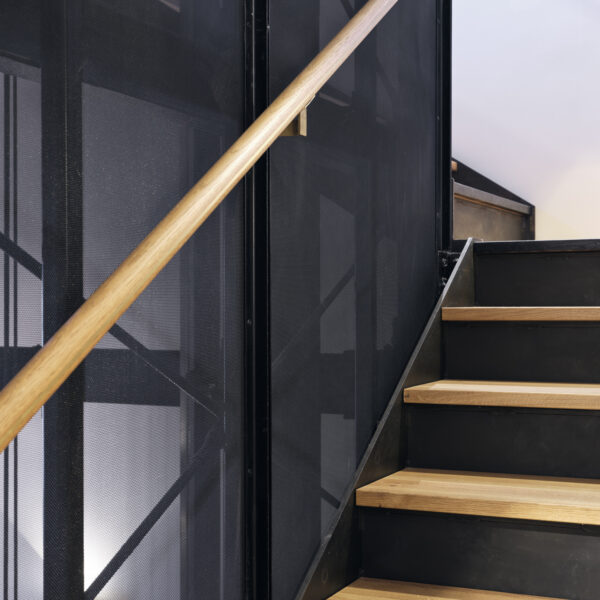
To avoid major interventions in other parts of the building, we placed the new staircase with elevator, restrooms, and main installation shaft at the core of the structure. Adjacent to it, we transformed a former window opening into a new, accessible main entrance. At the same time, we made a series of smaller but important decisions, from material choices to detailing – solutions that carefully and beautifully bridge old and new.
Home to the university leadership
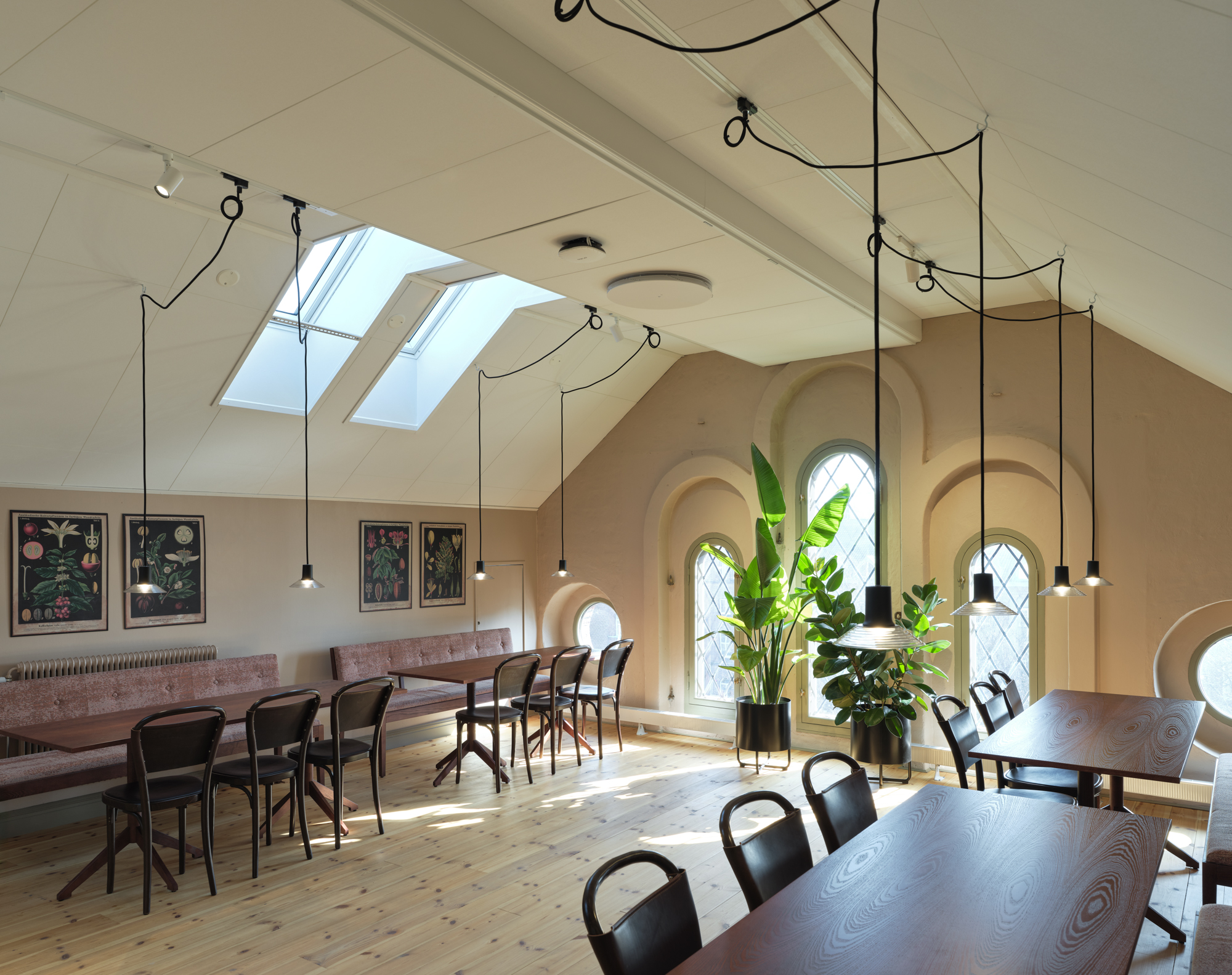
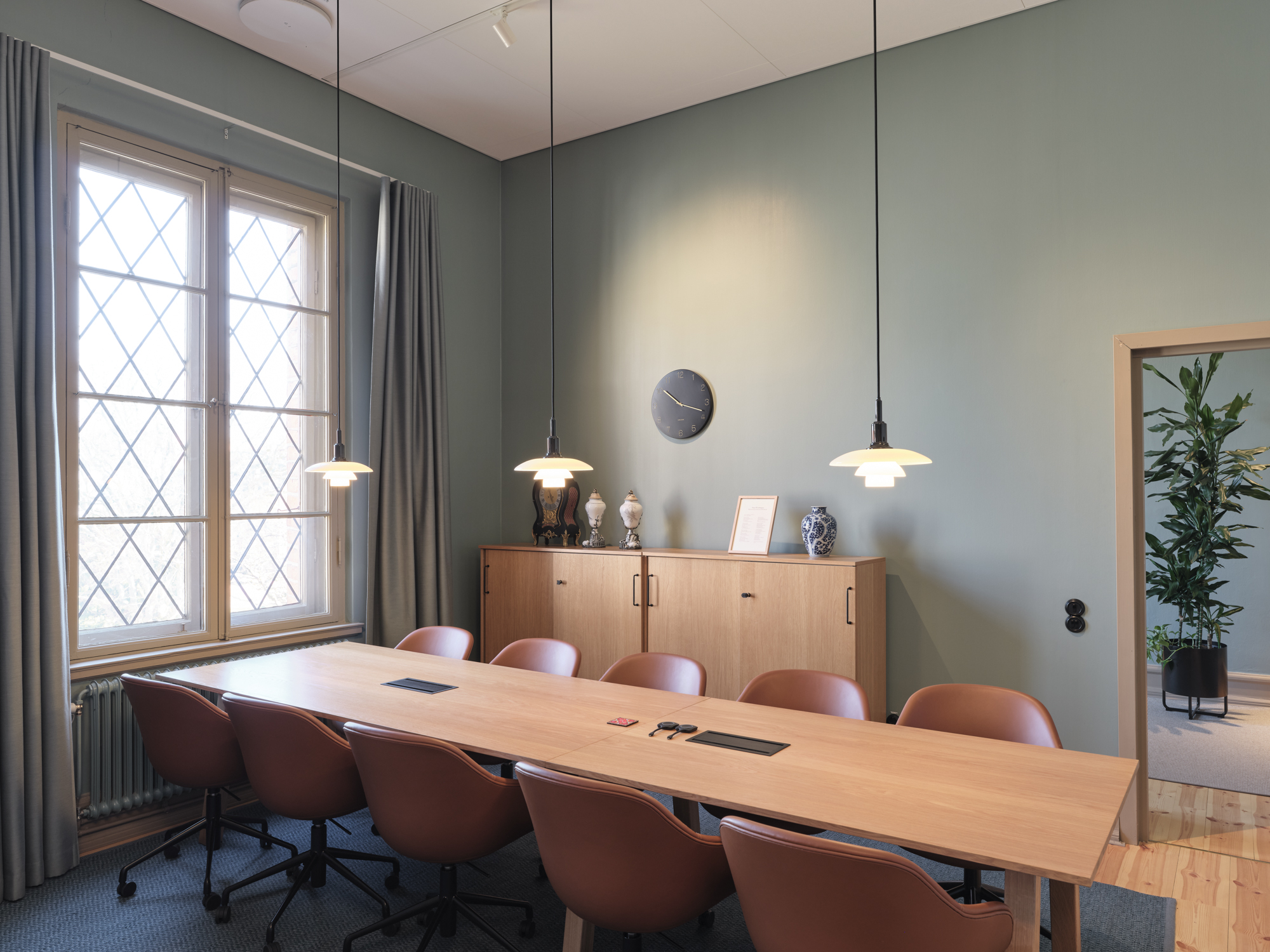
In close collaboration with the university leadership, the interior design developed with solutions that resonate deeply with the building’s character and history. At the same time, they embody modernity, sustainability, and comfort in a work environment – balancing functionality and aesthetics.
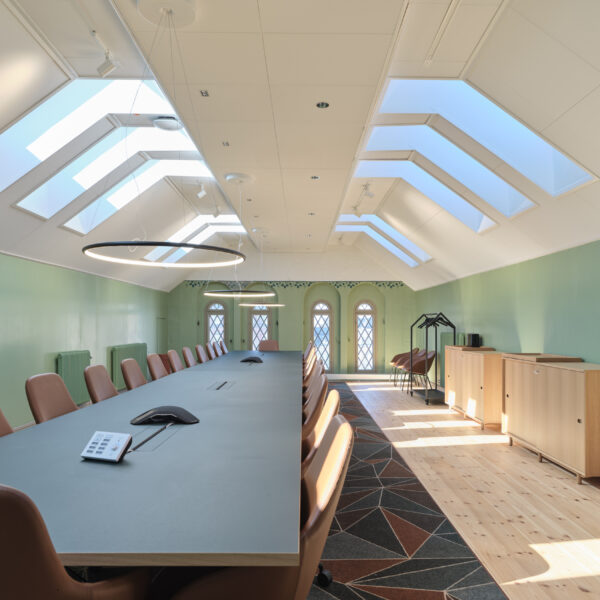
Today, the whole – building and interior – reflects the building’s new role as offices for the university’s leadership. It is a representative, professional, and welcoming workplace where color, light, and furniture complement each other.
“The university leadership was highly engaged. We held trial sittings and discussions on both color and form, and the vision for a representative, beautiful, and functional office was clear. For us at Tengbom, this was an incredibly rewarding collaboration”.
Anna Allard Brorsson, Lead Interior Architect at Tengbom

Colors with a past
The color scheme of both walls and woodwork is firmly rooted in the historical palette once present in the house. Furniture was carefully selected with attention to detail, materiality, and sustainability – Scandinavian design with substance. Together with the Skissernas Museum, we then selected artwork that ties the interiors to the building’s academic aura. 
“We wanted to create a calm and harmonious environment that also feels relevant and contemporary. The acoustics, colors, and furniture truly make it feel like a home for the leadership. And we’ve heard the same from those who work here, which is really gratifying,” continues Anna.
History demands humility
Today, Kungshuset once again pulses with activity. And just as in the past, the university uses the building for representation, meetings, and dialogue. Everyday work unfolds in the open-plan offices, private rooms, and social spaces. Kungshuset is not open to the public, but its presence in Lundagård is proof enough that the site’s history continues to be written – now with yet another compelling chapter in its book.
Contact person
Related
-

Sandböljan in Malmö
Historic harbor heritage in motion
-

Klosterhuset – Vreta Kloster
An exhibition in itself


-

Östermalm Market Hall and Hotel
Updated for the future
-

Campus Tensta
A historic revival
-

Stjärnorp Castle Ruins
Where architecture meets restoration
-

Attic apartments in Kvarteret Generalen
Designed by Ivar Tengbom
-

Tengbom’s Malmö Office
More possibilities with less space
-

Swedish National Museum of Art
Eye-opening architecture - National Museum
-

The Royal Opera
To preserve a historic national stage